Tag: People Living with HIV

  • Standing Tall at Basel Pride 2025: My Story, Our Fight

    Standing Tall at Basel Pride 2025: My Story, Our Fight

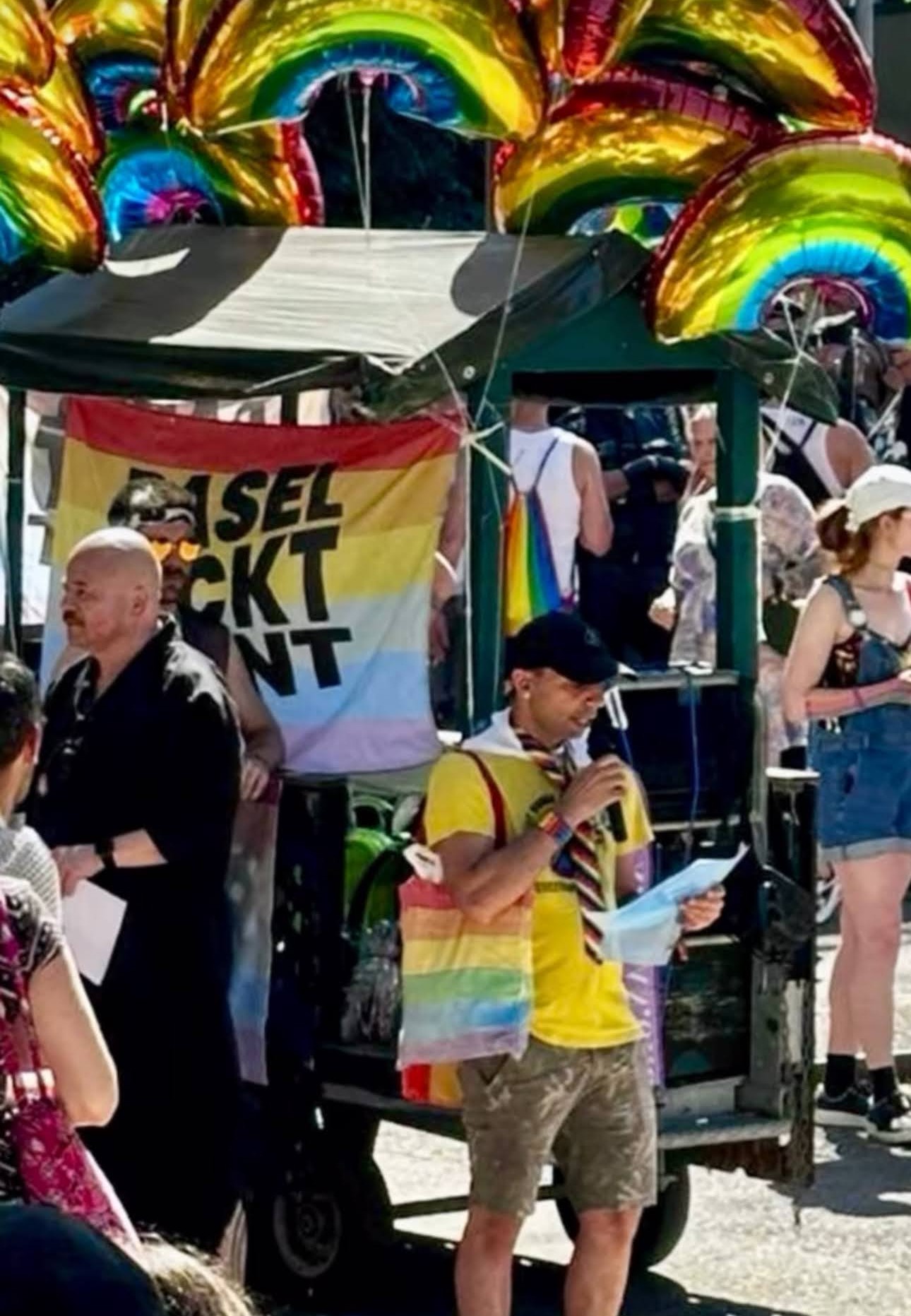
    What an incredible honor it was to stand on the stage at Basel Pride 2025 on June 28th, organized by Baselticktbunt. It was a day filled with vibrant celebration, but also a crucial platform for profound discussions on human rights and the ongoing fight for true equality. I shared the stage with remarkable individuals: Conradin Cramer, President of the Government and Head of the Presidential Department Basel-City; Edibe Gölgeli, Member of the Basel-Stadt Grand Council; and Frank Lorenz, Pastor and head of the Elisabethen Open Church.

    The introduction by the host truly touched me: “Please welcome our next speaker, Ali Raza Khan. Ali is a human rights activist from Multan, Pakistan, with a powerful focus on Sexual and Reproductive Health and Rights, HIV prevention, and peace. He is the founder of PridePakistan.org and has worked with numerous organizations to champion the rights of marginalized communities. He is an award-winning activist, a writer, and a voice for countless people. He is also a gay, HIV-positive asylum seeker here in Switzerland, and he is here today to share his story. Please give a warm and respectful welcome to Ali Raza Khan.”

    It was a moment of immense pride, but also, as I confessed in my speech, terrifying. The words I shared that day come from a place of deep personal experience, a journey from fear to a fierce determination to advocate for justice.

    Happy Pride!

    I began by acknowledging the organizers for this vital platform, emphasizing that while it was an honor, it was also terrifying. My identity, laid bare on that stage, is complex: a gay man from Pakistan, an activist, HIV positive, and living with Post-Traumatic Stress Disorder. And critically, I am an asylum seeker whose application has been rejected by the Swiss State Secretariat for Migration (SEM), who believe it is safe for me to return to Pakistan – a belief I know to be untrue.

    My aim was to shed light on why I left my home, what I hoped for, and the shocking reality I’ve encountered as an asylum seeker.

    From Shadows to the Stage: My Life in Pakistan

    My story starts in Multan, Pakistan – the “city of saints,” but for queer individuals like me, a city of hidden lives and secrets. For over a decade, I dedicated myself to activism: peace-building, fighting gender-based violence, and tirelessly advocating for the sexual health and rights of the LGBTQI+ community. I founded Pride Pakistan and worked with organizations on HIV prevention, a reality that is part of my own journey. My CV may be long and filled with achievements, but it masks a starker truth: a double life. I was a public activist, but a hidden gay man. In Pakistan, openly embracing my identity was a dangerous impossibility.

    The danger was not abstract. I recalled a harrowing police raid on a private gay community gathering, where we were tortured, filmed, and released with a chilling warning. A fellow activist, less fortunate, disappeared for three weeks after being picked up by an armed security agency, returning a broken man.

    My own activism led to constant threats. Being gay, HIV positive, and daring to report human rights violations to the UN and other international bodies, led to anonymous calls and persistent hacking attempts. My life was filled with abuse: forced sex under threat of exposure, blackmail, and emotional and physical abuse from a partner, with no avenue for reporting to authorities due as a gay man. My family, in a misguided attempt to “fix” me, forced me into a traumatic marriage that ended quickly.

    I was living with PTSD long before I knew what it was, believing constant panic and the threat of arrest or death were just “part of the job.” But I was broken. I fled Pakistan not just to save my life, but to save my soul.

    The Illusion of Refuge: My Asylum Experience

    I came to Switzerland seeking refuge, a word that promises shelter and protection. I believed in the promise of human rights, particularly for vulnerable LGBTQI+ individuals. What I found was a different kind of trauma within the asylum process.

    My first “home” in Basel was an underground bunker – windowless, sunless, and lacking proper fire safety. Housed with dozens of other men, both straight and sometimes violent, I witnessed fights and blood. The unsanitary conditions and lack of basic human dignity were shocking. This, I explained, is the reality for single male asylum seekers, regardless of their sexual orientation. Your humanity is stripped away at the door. I saw other gay men in federal camps, fleeing persecution like me, crammed 20 to a room with no personal space.

    The system’s psychological warfare is insidious. Constant, unexplained transfers from one camp to another are not just bureaucracy; they are a deliberate tool to break spirits and compel people to give up. My physical and psychological health were afterthoughts. Even with a diagnosis of complex PTSD, securing therapy appointments is an exhausting battle. Accessing life-saving HIV medication was a fight fraught with delays and fear. I’ve witnessed women bleeding and injured young boys receiving nothing more than a cleaning cloth.

    Perhaps the most cruel aspect is the legal process. The legal representative provided by the SEM is a phantom, a different face each time, a stranger on the day of your life-or-death interview, then gone. And the interview itself is an abuse. My official transcript, the story of my life and trauma, was altered. Statements I made were changed, things added that I never said, with no way to prove it.

    The Harsh Reality: “Are You Gay Enough? Traumatized Enough?”

    My decision: Negative.

    The SEM claimed Pakistan is safe for gay people, referencing an organization that was shut down years ago, whose staff fled and found protection elsewhere. They asserted that because I traveled by plane, I wasn’t in enough danger – perhaps they wanted me to be arrested at the airport, or risk drowning in the Mediterranean, for my claim to be valid. On my PTSD, they claimed it wasn’t “enough trauma,” suggesting I could get treatment in Pakistan. But the “treatment” there aims to “cure” my identity, not care for my person, mirroring my family’s attempts at religious “cures.”

    Asylum here is not merely broken; it is actively hostile. It asks, “Are you gay enough? Are you traumatized enough? Have you been tortured enough?” to deserve protection. I have seen countless LGBTQI+ individuals receive negative decisions, deported back to countries where they face arrest, violence, or death. The Swiss immigration system does not consider being arrested for being gay harmful enough.

    The Hope is in You

    But I did not come to say there is no hope. There is. I’ve felt it from the dedicated volunteers at Queer Amnesty, from Christian Waffenschmidt and Miroslav Ostojic, who helped me understand my rights and the importance of my interview. I’ve seen this hope in the work of other charity organizations supporting refugees.

    The hope, I declared, is not in the system, but in us: the volunteers and the asylum seekers themselves.

    At Basel Pride, we celebrate freedom, but we must also fight for it. I urged the audience to see beyond the polished image of Switzerland. Question the official narrative. Ask your representatives why the SEM operates with such impunity, altering transcripts, ignoring evidence, destroying lives, and lying in official documents.

    I implored people to volunteer. Sign up for Queer Amnesty’s mentorship program. Your empathy, time, and understanding of this country are a lifeline for queer refugees who are lost, scared, and alone. You can provide the peer support people like me desperately need.

    Finally, I stressed that your Pride is political. Pride began as a riot, a protest against a system that sought to keep us in the shadows. That fight is far from over. It is happening right now, in the asylum bunkers underground, in the interview rooms at the SEM, and in the hearts of those told their trauma isn’t “enough.”

    My story, I emphasized, is not unique. Countless others are here, your neighbors living in Basel asylum and refugee camps, though you may not see them.

    True Pride is not just a celebration; it is a fight. It is the fight for the person in the bunker tonight afraid to sleep. It is the fight for the lesbian from Uganda who received a negative decision, the trans person from Peru who faces deportation, and the gay man from Pakistan, like me, who continues a legal battle.

    There is no pride for anyone until there is freedom, dignity, and safety for everyone.

    Thank you for listening, and thank you for being a part of this vital fight. You can read more about my experiences and advocacy here on my website, AliRazaKhan.com.

    Watch the full video here : https://youtu.be/R_9YWznUBS4

    More on Basel Ticket Bunt Website Here: https://baselticktbunt.ch/en/program/#pridewalk

    Read more on Freiburg Pink website:

    https://freiburg.pink/event/pride-basel/

    Read more on Gay Basel website:

    https://www.gaybasel.org/events/12936/pride-walk

    Read more on Gay CH website:

    https://gay.ch/kultur/basel-tickt-bunt-demonstration-1

    Read full programme details here:

    https://baselticktbunt.ch/wp-content/uploads/Medienmitteilung_Basel_tickt_bunt_2025.pdf

    Read more on Bombast Gay Magzine here:

    https://www.schwulst.de/termin/loe/csd/2025-06-28-basel-pride-walk-queer-rights-are-human-rights

  • The European Testing Week aims to highlight the importance of early HIV testing and strives for more easily accessible HIV and STI testing services.

    The European Testing Week aims to highlight the importance of early HIV testing and strives for more easily accessible HIV and STI testing services.

    The European Testing Week aims to highlight the importance of early HIV testing and strives for more easily accessible HIV and STI testing services.

    Why should HIV and STI testing be promoted❔

    🩷 Early detection promotes well-being.

    By enhancing testing, infections can be treated, chains of transmission can be broken, and people’s sexual well-being can be promoted.

    HIV and hepatitis (B and C) can be asymptomatic for a long time and, if left untreated, can damage bodily functions. There is medication for HIV that allows a person to live a good life. There are effective medications for hepatitis C. With medication, HIV is not transmitted further. Hepatitis A and B viruses can be protected against with vaccination.

    🤝 Testing is a human right.

    HIV and STI testing should be easily available, without barriers or stigma. Services need to be developed so that people who need them but have not yet sought them out can find their way to these services.

    In many European countries, immigrants without a residence permit are left without necessary treatment and services. Health and healthcare are also a right for undocumented individuals and those in similar situations!

    ❤️‍🩹 Stigma does not belong in health services.

    It must be possible to talk about sexual health openly and respectfully with clients.

    STIs are still often associated with shame, which can be a barrier to seeking testing. A professional, through their own attitude, can help a client overcome any feelings of shame related to STIs. It helps the client when the professional asks a few simple and open questions that give the client permission to share what has happened and what STI risks are associated with the client’s sexual practices.

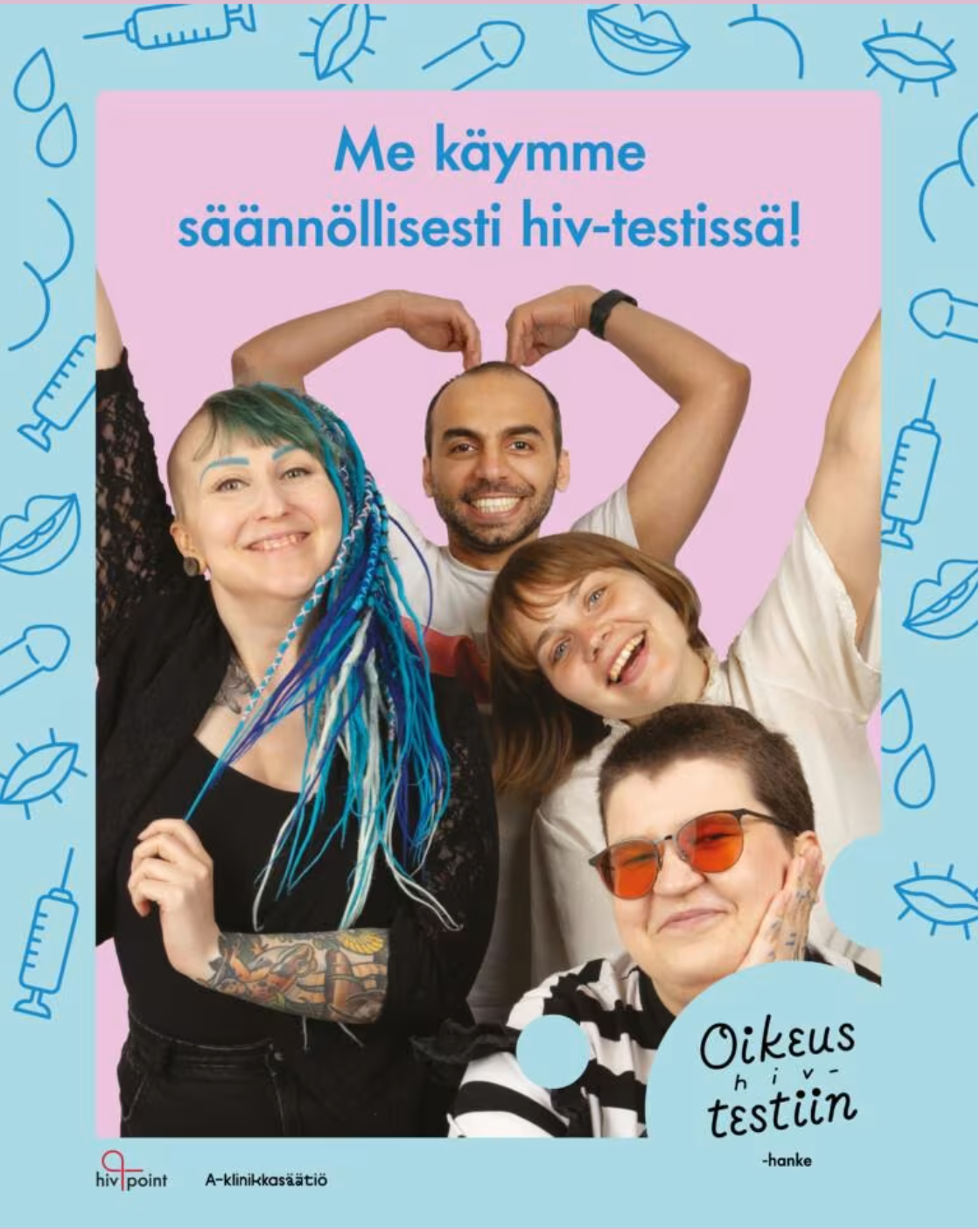
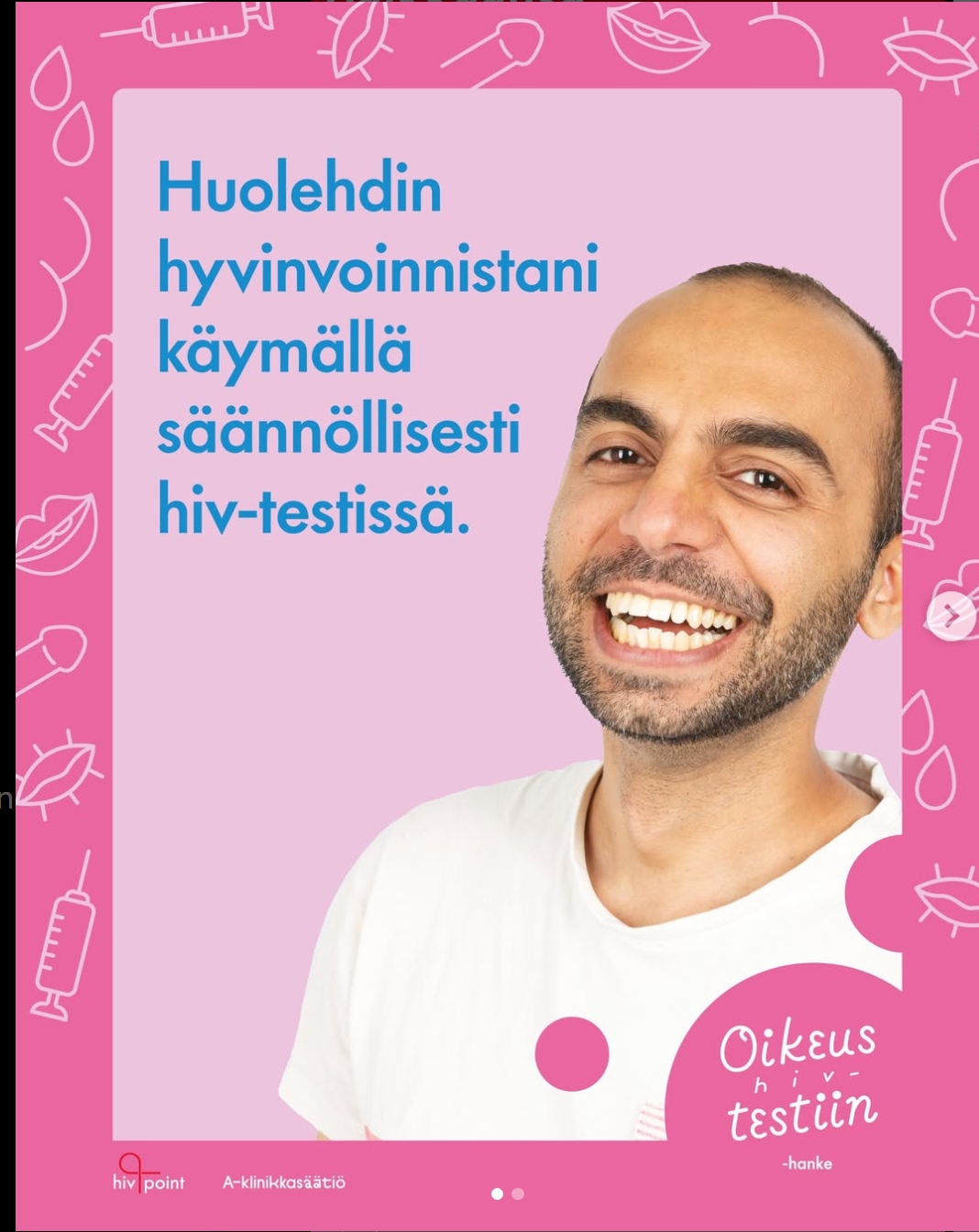
    Posters from the Right to HIV Testing project. You can find ready-made materials for celebrating testing week here >> hivpoint.fi/testausviikko

    #Test #Treat #Prevent #Enjoy #TestingWeek #Wellbeing #SexualHealth

    Instagram Post: https://www.instagram.com/p/DJ-vAZsxAFu

    Facebook Post: https://www.facebook.com/Hivpoint/posts/1144585674376628

    Eurpean Testing Week Post: https://www.facebook.com/Hivpoint/posts/1144585674376628

    More about HIV testing week: https://hivpoint.fi/testausviikko/

    About the event and flyers here: https://a-klinikkasaatio.fi/tapahtuma/eurooppalainen-testausviikko-2025/

  • Eurooppalaisella testausviikolla halutaan muistuttaa varhaisen hiv-testauksen merkityksestä ja tähdätään helpommin saavutettaviin hiv- ja seksitautitestauspalveluihin

    Eurooppalaisella testausviikolla halutaan muistuttaa varhaisen hiv-testauksen merkityksestä ja tähdätään helpommin saavutettaviin hiv- ja seksitautitestauspalveluihin

    Eurooppalaisella testausviikolla halutaan muistuttaa varhaisen hiv-testauksen merkityksestä ja tähdätään helpommin saavutettaviin hiv- ja seksitautitestauspalveluihin

    Miksi hiv- ja seksitautitestausta pitäisi edistää❔

    🩷 Varhainen toteaminen edistää hyvinvointia.
    Testausta tehostamalla saadaan tartunnat hoidettua, tartuntaketjut katkaistua ja edistetään ihmisten seksuaalista hyvinvointia.
    Hiv ja hepatiitit (B ja C) voivat olla oireettomia pitkään ja hoitamattomina vaurioittaa elimistön toimintoja. Hiviin on olemassa lääkehoito, jonka avulla ihminen voi elää hyvää elämää. C-hepatiittiin on tehokkaita lääkkeitä. Lääkehoidolla hiv ei tartu eteenpäin. Hepatiitti A- ja B-viruksilta voi suojautua rokotuksella.

    🤝 Testaus on ihmisoikeus.
    Hiv- ja seksitautitestausta tulisi olla saatavilla helposti, ilman kynnystä ja leimaamista. Palveluja on kehitettävä, jotta palvelujen piiriin löytävät ihmiset, jotka tarvitsevat niitä, mutta eivät ole vielä niihin hakeutuneet.
    Monissa Euroopan maissa ilman oleskelulupaa olevat maahan muuttaneet jäävät ilman tarvittavaa hoitoa ja palveluja. Terveys ja terveydenhuolto on myös paperittomien ja paperittomien kaltaisessa tilanteessa olevien ihmisten oikeus!

    ❤️‍🩹 Stigma ei kuulu terveyspalveluihin.
    Seksuaaliterveydestä pitää voida puhua avoimesti ja asiakasta kunnioittavasti.
    Seksitauteihin liittyy edelleen usein häpeää, joka voi olla este testeihin hakeutumiselle. Ammattilainen voi omalla suhtautumisellaan auttaa asiakasta pääsemään yli mahdollisesta seksitauteihin liittyvästä häpeän tunteesta. Asiakasta auttaa, kun ammattilainen esittää muutamia yksinkertaisia ja avoimia kysymyksiä, jotka antavat asiakkaalle luvan kertoa, mitä on tapahtunut ja millaisia seksitautiriskejä asiakkaan seksitapoihin liittyy.

    [Kuvat]: Oikeus hiv-testiin -hankkeen julisteet. Valmiita materiaaleja testausviikon viettämiseen löydät täältä >> hivpoint.fi/testausviikko

    Instagram Post: https://www.instagram.com/p/DJ-vAZsxAFu

    Facebook Post: https://www.facebook.com/Hivpoint/posts/1144585674376628

    Eurpean Testing Week Post: https://www.facebook.com/Hivpoint/posts/1144585674376628

    More about HIV testing week: https://hivpoint.fi/testausviikko/

    About the event and flyers here: https://a-klinikkasaatio.fi/tapahtuma/eurooppalainen-testausviikko-2025/

  • Global AIDS Strategy and Digital Health innovations Including Artificial Intelligence : An Interview with UNAIDS Consultant

    Global AIDS Strategy and Digital Health innovations Including Artificial Intelligence : An Interview with UNAIDS Consultant

    Digital technology is in many ways a new frontier that is increasingly part of our everyday lives making the perspectives, experiences and lessons learned from key population communities and civil society even more crucial to ground and inform this report. As a leading expert at the global, regional and national level, I was invited by UNAIDS consultant Robin Montgomery to have a conversation on the topic of AI for HIV. The conversation covered a number of issues (opportunities, challenges, lessons learned, etc) where I provided the critical input to define and chart the path forward.

    • How do digital health innovations [and by extension, AI] figure into your organization’s/network’s current and future-oriented strategies?
    • What are the top 3-4 concerns/risks that you have/your organization has/your communities have expressed about integrating AI technologies into service delivery across the HIV care cascade?
    • What opportunities do you see for the greater integration of AI tools into HIV prevention, treatment, care and support services and programs?
    • What is needed to build community capacity to engage in AI for HIV interventions?
    • What are 2-3 key considerations that you would like UNAIDS to reflect within the incoming Global AIDS Strategy?
    • Are there examples of good practice digital health/AI interventions that you would recommend us to look at?

  • A Guide for HIV Positive Refugees in Finland

    A Guide for HIV Positive Refugees in Finland

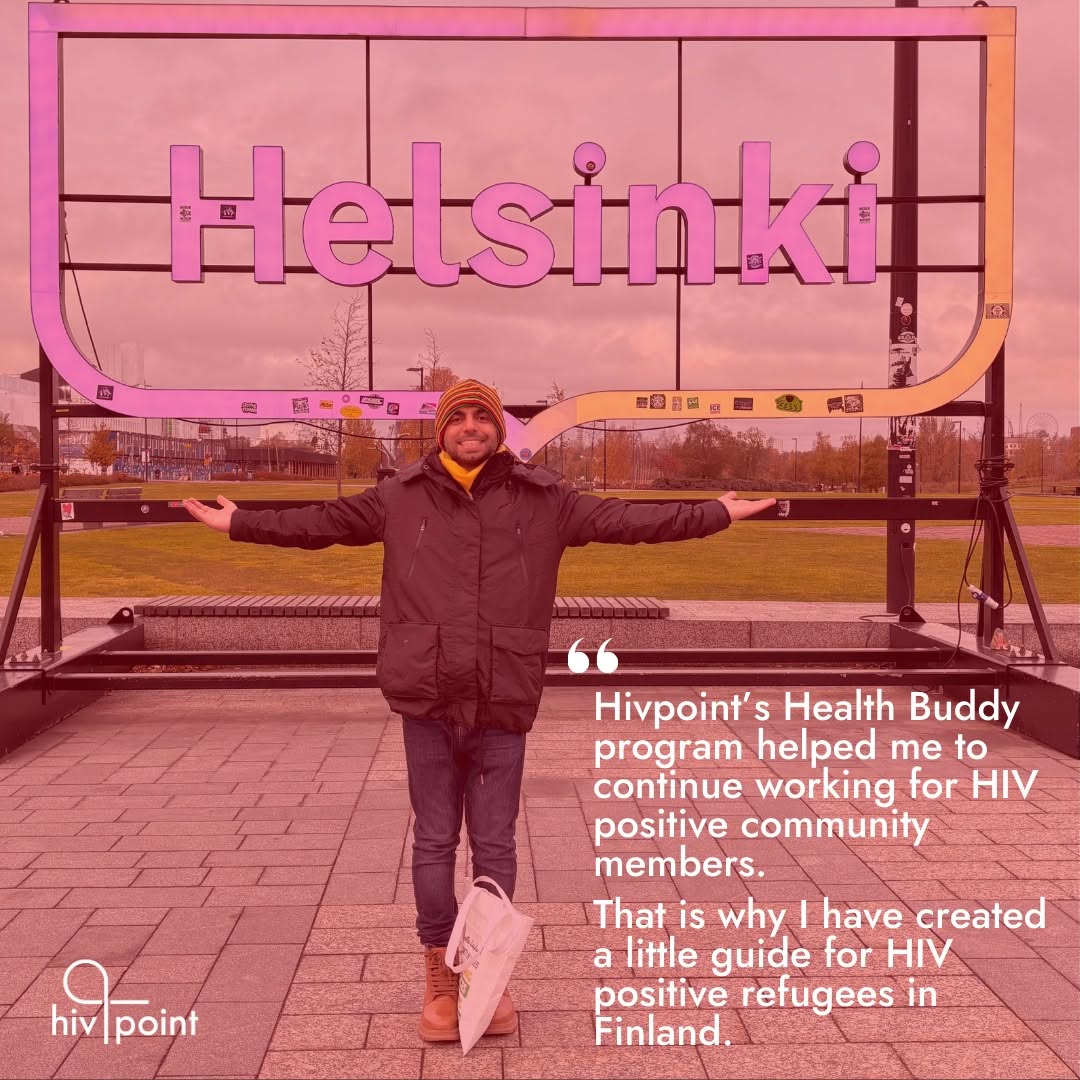
    Health Buddy Ali is standing outside in front of the Helsinki sign.

    In this year’s blog series, we present the writings of Hivpoint’s Health Buddies 2024 in which they reflect on their own journey in promoting sexual health. Health Buddies spread knowledge about sexual rights and sexual health including HIV and other STIs in migrant and refugee communities. Let us present to you our wonderful Health Buddy Ali Raza Khan.

    I am Ali Raza Khan, an HIV positive gay activist from Pakistan and a refugee in Finland. In Pakistan, working for gay rights and HIV awareness comes with significant risks.

    As an activist and the founder of PridePakistan.org, I faced constant threats and discrimination with increasing conservative societal norms and legal challenges. It was dangerous to advocate openly for sexual and reproductive health and rights (SRHR) of gay men.

    If you are an HIV positive refugee in Finland, it’s important that you have access to essential healthcare and support services. I have written down some key points to help you navigate through possible challenges you might face.

    My journey from Pakistan to Finland was not easy but Hivpoint’s Health Buddy program helped me to continue working for HIV positive community members in Finland. That is why I created this little guide based on my experience for HIV positive refugees in Finland.

    1. Disclosure of HIV Status to Authorities

    As a refugee, you should disclose your HIV status at your first interaction with authorities even though you might feel afraid because of discrimination or stigma.

    It is essential to tell about your HIV status so your treatment will continue or it will be started as soon as possible.

    I have learned that when you talk about HIV status at one immigration camp, the information is not shared to other staff members. That is why you have to tell about your HIV status in each new camp.

    2. Get Connected to Hivpoint and Positiiviset ry HivFinland

    People living with HIV do not have to deal only with HIV but also with societal and internal stigma. Therefore, it is vital to tell the authorities and your nurse if you have psychological needs.

    Hivpoint and Positiiviset both have regular activities and program for people living with HIV. There you can meet with other HIV positive individuals to discuss everyday things. I find peer support very helpful during my process.

    As an HIV positive individual, I always wanted to discuss HIV related issues with other people living with HIV. Peer support has helped me dealing with internal and societal stigma.

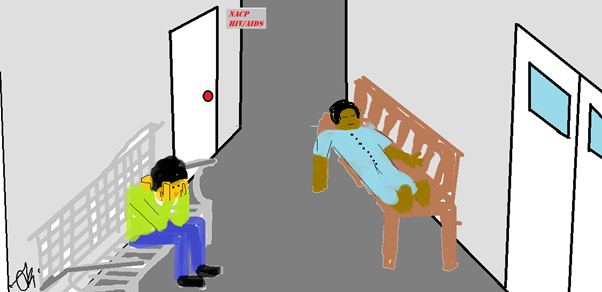
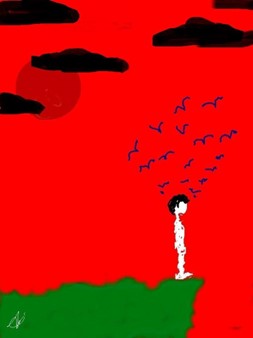
    At the street chalk event 2024 organized by Positiiviset ry, Ali draws and makes art about human rights, equality and hope.

    3. Getting tested for Sexually Transmitted Infections (STIs)

    Even if your HIV is undetectable, you can still get other STIs when having sex. Ask your nurse or doctor to get tested for STIs. It would be good to get tested if you’ve had unprotected sex (sex without condom or dental dam) or condom has broken.

    You could get tested for STIs at Hivpoint’s free and confidential STI testing services. In addition, Pro-tukipiste offers services for those who are selling sexual services.

    Here you can read more about medical care of refugees and asylum-seekers in Finland.

    4. Other Health and Legal needs

    Apart from getting essential health and HIV services on time, you might also have some other needs. You can get help from Hivpoint and other associations.

    Hivpoint is offering counselling and leisure activities for people living with HIV, and those can keep you to engage in healthy way on ground. In addition, you can participate in Positiiviset gatherings and activities for HIV positive people.

    Who to contact?

    You can join Pride Helsinki community’s closed refugee support groups. There you will get connected to other queer refugees in Finland and participate in queer and LGBTQI+ events.

    If you do not have legal representative for your refugee hearing, you can contact The Finnish Refugee Advice Centre (Pakolaisneuvonta) for legal matters.

    If you are selling sexual services and you would like to have support or health services, you can contact Pro-tukipiste

    Get help from here >> Help for Victims of Human Trafficking, if you are a victim of human trafficking.

    It is crucial for your physical and mental health to continue your HIV treatment without a gap. In addition, it would be good for you to participate in association activities. It will help your mental health during the long process of your refugee hearings.

    Whether you are in a big city or in distant area it is essential to contact with Hivpoint and other associations. You could do it online or face to face. If you came to Finland alone, you don’t have to be alone anymore.

    Via these platforms mentioned above you can find similar people who can understand you. I recommend that you never hesitate to contact and get help from Hivpoint.

    Health Buddy Ali visiting Hivpoint´s office at Kalasatama.

    Ali visiting Hivpoint´s office at Kalasatama 2024.

    Ali Raza Khan
    The writer is one of Hivpoint’s Health Buddies 2024

    The orginal article is posted on Hivpoint.fi website, read more on their website here:

    https://hivpoint.fi/en/general/a-guide-for-hiv-positive-refugees-in-finland/

    or on their social media facebook here

    www.facebook.com/Hivpoint/posts/1021619813339882

    and instagram here

    https://www.instagram.com/p/DDtXgz7BEVJ

  • From Pakistan to Finland – My Journey as a Health Buddy and an HIV-positive Gay Activist

    From Pakistan to Finland – My Journey as a Health Buddy and an HIV-positive Gay Activist

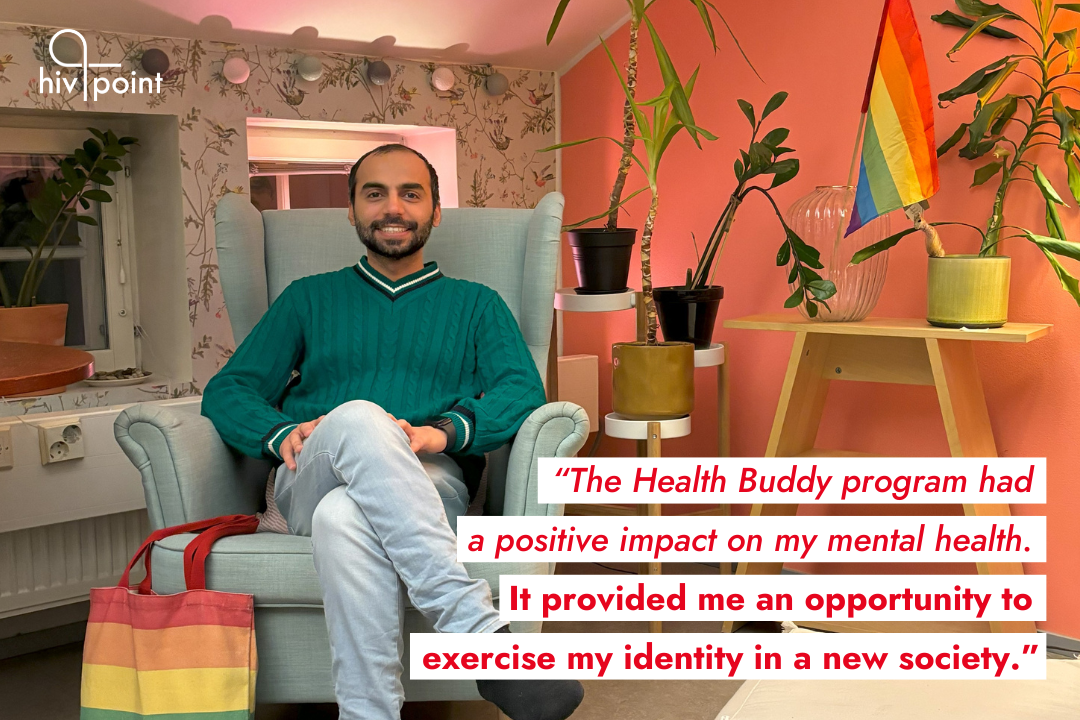
    Hivpoint's Health Buddy Ali is smiling and sitting in an arm chair in a cozy, colorful room. The room is decorated with house plants and a Pride flag. On top of the photo, there's a quote: "The Health Buddy Program had a positive impact on my mental health. It provided me an opportunity to exercise my identity in a new society."

    In this year’s blog series, we present the writings of Hivpoint’s Health Buddies 2024 in which they reflect on their own journey in promoting sexual health.

    Health Buddies spread knowledge about sexual rights and sexual health, including HIV and other STIs, in migrant and refugee communities. Let us present to you our wonderful Health Buddy Ali Raza Khan.

    My name is Ali Raza Khan, and I am an HIV-positive gay activist from Pakistan. My journey from Pakistani society to Finnish society has been one important chapter of my life. 

    As the founder of Pride Pakistan, I have been advocating for the health and rights of the LGBTQIA+ community, particularly gay men in Pakistan. However, due to threats to my life and discrimination based on my HIV status, I sought refuge in Finland where I am continuing my activism.

    Refugees’ access to HIV, STI and SRHR services in Finland

    Upon arriving in Finland, I found myself in a refugee center in a few days. There I first heard about Hivpoint, an organization dedicated to HIV awareness, advocacy, and sexual and reproductive health and rights in Finland.

    One of Hivpoint’s volunteers was sharing informative pamphlets which motivated me to continue my HIV and SRHR advocacy work here in Finland. I also realized the gaps that refugees face in accessing HIV, other STI and SRHR services in Finland, particularly living away from major towns.

    Health Buddy program helped me to overcome internal Discrimination and Trauma

    Determined to continue my activism, I applied and got accepted to the Health Buddy program at Hivpoint. The program provided me with an opportunity to continue working openly for the rights and health of gay men.

    Coming from a conservative society where I had to be cautious about everything I said and did, the Health Buddy program had a positive impact on my mental health.

    It provided me an opportunity to exercise my HIV identity and gender expression openly in a new society.

    The most important thing in the Health Buddy program was that I was doing activities with the support and assistance of Finnish expert colleagues that have been working for broader SRHR issues in Finland for years.

    Learnings and experiences from organizing Health Buddy workshops

    As a part of the Health Buddy program, I have organized more than five online and live discussions focusing on HIV, other STIs and SRHR awareness. There have been more than 50 people from diverse backgrounds participating in those sessions. This experience was very helpful for me to move ahead in my career path in a new country.

    Through the Health Buddy training and interaction with participants of my sessions, I came across various perspectives of queer individuals, refugees, South Asians, students, and others regarding HIV and SRHR in Finland.

    Through these workshops, I increased knowledge on safer sex, awareness of HIV and other STIs, consent, sexual rights and gender identity. In addition, I shared information about the availability of treatments and services related to STIs, PEP, PrEP, and contraceptives.

    In the workshops, the participants got to know different condoms, lubricants and dental dams.

    During the workshops, I realized that especially refugee community members still don’t have access to necessary basic information about HIV, other STIs, testing and treatment.

    My message is to continue speaking about HIV

    Despite the advancements and availability of HIV treatment, there is still stigma and discrimination towards HIV-positive individuals. It often leads to HIV-positive people not sharing their experiences or speaking about HIV with their communities.

    It is crucial to continue speaking, sharing information and awareness about HIV, other STIs and LGBTQIA+ communities to end this stigma.

    Ali Raza Khan
    The writer is one of Hivpoint’s Health Buddies 2024.

    Ali Raza Khan, an HIV-positive gay activist from Pakistan, shares their journey as a Health Buddy 2024.

    Read orginal article on Hivpoint.fi website here

    https://hivpoint.fi/en/general/from-pakistan-to-finland-my-journey-as-a-health-buddy-and-an-hiv-positive-gay-activist/

    See post on Hivpoint facebook here:

    https://www.facebook.com/Hivpoint/posts/1017934393708424

    See post on hivpoint instagaram here:

    https://www.instagram.com/p/DDd3TPBvUqp

  • Ali Raza Khan World AIDS Day 2024 Discussion with APCOM

    Ali Raza Khan World AIDS Day 2024 Discussion with APCOM

    Recently Asia Pacific Coalition of Men Having Sex with Men or APCOM had asked me for small interview on World AIDS Day 2024. Below is my discussion with them. 

    Brief bio of yourself

    Ali Raza Khan is a young HIV positive gay activist from Pakistan working for the community since 2015, focused on SRHR, HIV, AIDS prevention and peace. He has worked with multiple local, national & international organizations for the rights of people living with HIV, Men having sex with men and gays. As founder Pride Pakistan he is currently working for men having sex with men gay and other queer community in Pakistan. He is serving as member Communities’ delegation to the board of the Global Fund, member UNAIDS Advisory Group on Monitoring the 30-80-60 targets and co-lead partnership in The PACT. He is laureate HIV HERO Award 2021 by APCOM.

    A quotation on the theme of this year’s WAD theme and what it means to you and your community

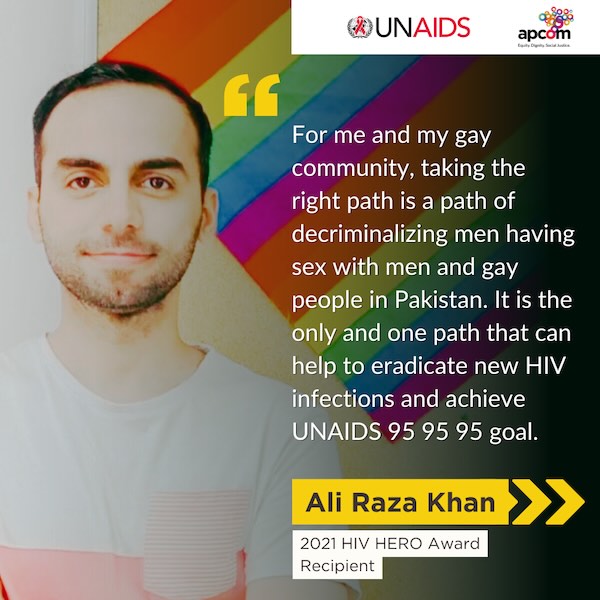
    For me and my gay community, taking a right path is a path of decriminalizing men having sex with men and gay people in Pakistan. It is the only and one path that can help to eradicate new HIV infections and achieve UNAIDS 95 95 95 goal. 

    Please answer the following questions (try to stick to two paragraphs): 

    1 – What is the situation of people living with HIV in your country? 

    People living with HIV in Pakistan are facing enormous challenges due to slow progress towards reducing stigma and discrimination during treatment when visiting health care facilities. People from men having sex with men community and gay have to face it worse way as they have to get denial of treatments, discrimination from health care providers when accessing their HIV health care services. We hear on daily basis the special HIV clinics councilors rather than providing counseling on HIV treatment use derogatory remarks each time any HIV positive individual from MSM and gay community visit them. Due to denial of treatment to HIV community members I estimate hundreds of community members have died so far. Apart from this many other community members are unable to bear stigma and psychological torture from government health care facilities resulting in increase in lost to follow up.

    It not only is coming from health care providers only but from work spaces, society and other day to day interactions. We are seeing even key population members held in prison being raped and killed. (1) It becomes more traumatizing for gay community and male sex workers that are unable to openly show their identities in public forums online due to torture and arrest from security agencies torturing gay people on online gay platforms and on ground.

    On the other hand, there are increases in new HIV cases due to deteriorating health care system and pressure on healthcare facilities. Quack doctors also contributing into this along with societal practices. We see new and new outbreaks of HIV infections in general public. Such as a few days ago in Multan home town hospital dozens of kidney patients got HIV during negligence in dialysis treatment. (2)

    The overall there is huge societal stigma and discrimination based on criminalizing laws all contributing towards increased cases of HIV infections in MSM and gay community. That is why I believe decriminalization of same sex and gay community is the only solution to curb the new HIV infections and achieve 95 95 95 targets.

    2 – What and how are you/your organization doing to address these challenges? 

    We are working on empowering community by raising awareness around MSM & Gay community issues and providing capacity building trainings around their health and rights. We have been organizing focus groups discussions, safe space gathering and capacity building sessions benefiting thousands of people so far. 

    We are doing advocacy online and offline for the rights of men having sex with men and gay people. We are working with partners global to use diplomatic voice and influence to work around decriminalizing. It is important to bring the voice of gay community members on spotlight and in visibility that never gets highlighted despite the fact that MSM and gay people are one of the most vulnerable key populations.

    3 – What support do you/your organization need?

    With decreasing funding for community work and restrictions and crack down by authorities for organizations working for men having sex with men, gay and queer community it is becoming difficult for gay organizations to operate. Our organization is also struggling with sustainable funds for the running cost of our functions and salaries. Making most of our members working on volunteer basis. We need essential running cost to ensure uninterrupted work for our Pride Pakistan community.  

    4 – Anything else you wish to add?

    I believe the work we are doing for capacity building and empowerment of men having sex with men and gay people is difficult with a lot of hurdles coming ahead on our way but we will continue to do so because that is the rights path. I wish one day other stakeholders and the government will also be able to take that rights path.

    Read more on APCOM website Here:

    Or on references Here:

    1.

    2. https://www.dawn.com/news/1873577

  • World AIDS Day WAD 2024 Ali Raza Khan blog on Asia Pacific Coalition of MSM APCOM

    World AIDS Day WAD 2024 Ali Raza Khan blog on Asia Pacific Coalition of MSM APCOM

    Contributor:
    Ali Raza Khan

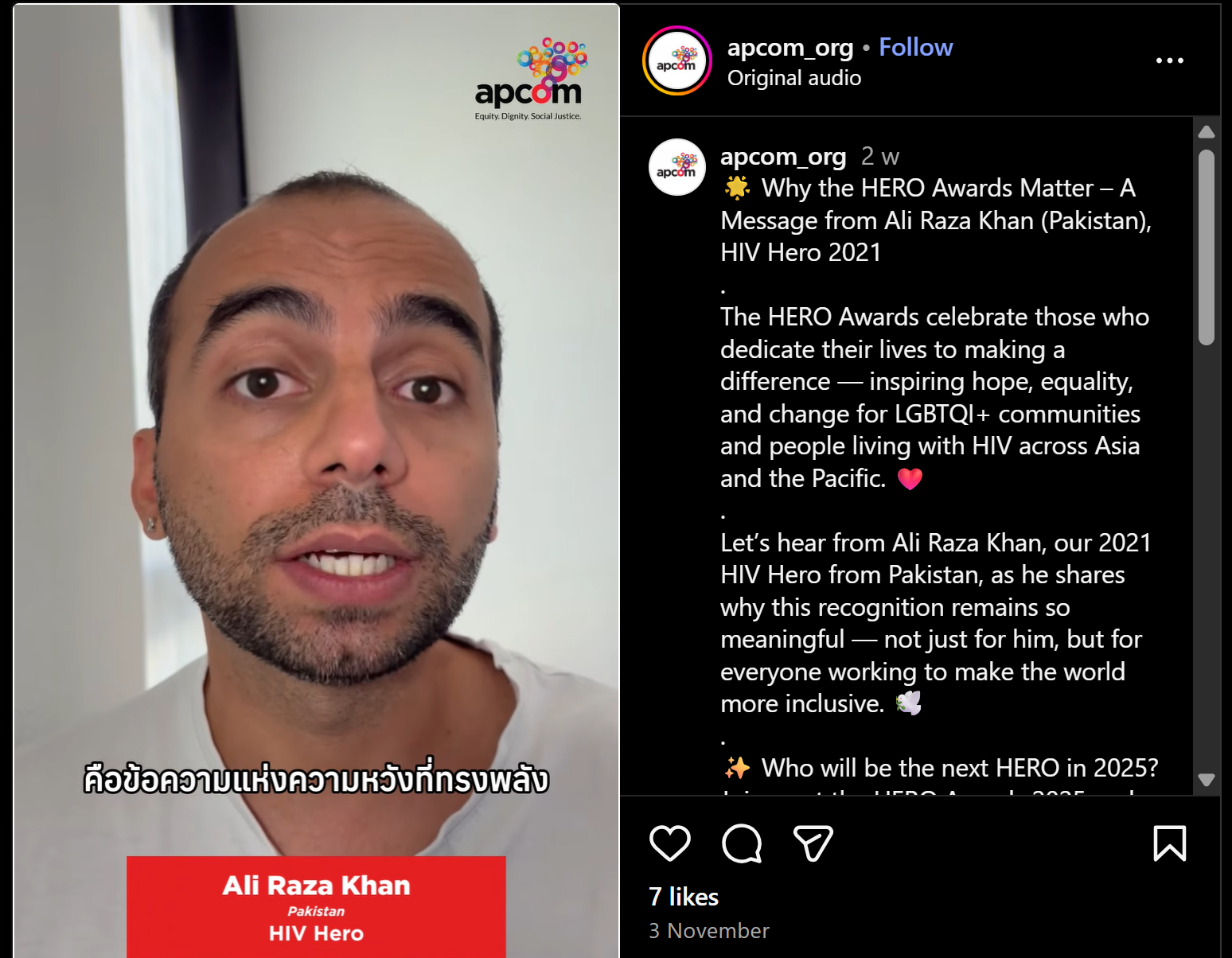
    HIV HERO Award recipient 2021

    Ali Raza Khan is a young HIV positive gay activist from Pakistan working for the community since 2015, focused on SRHR, HIV, AIDS prevention and peace. He has worked with multiple local, national and international organizations for the rights of people living with HIV, men having sex with men and gays. As a founder of Pride Pakistan, he is currently working for men having sex with men gay and other queer communities in Pakistan. He is serving as member Communities’ delegation to the board of the Global Fund, member UNAIDS Advisory Group on Monitoring the 30-80-60 targets and co-lead partnership in The PACT. He is the winner of the HIV HERO Award 2021 by APCOM.


    See also: Ali Raza Khan 2021 HIV HERO Awards Recipient Interview

    What is the situation of people living with HIV in your country?

    People living with HIV in Pakistan are facing enormous challenges due to slow progress towards reducing stigma and discrimination during treatment when visiting health care facilities. People from the group of men having sex with men and gay community have to face it in a worse way as they have to get denial of treatments, discrimination from health care providers when accessing their HIV health care services. On a daily basis, the special HIV clinics councilors rather than providing counseling on HIV treatment use derogatory remarks each time any HIV positive individual from MSM and gay community visits them. Due to denial of treatment to HIV community members, I estimate hundreds of community members have died so far. Apart from this, many other community members are unable to bear stigma and psychological torture from government health care facilities resulting in increase in lost to follow up.

    It not only is coming from health care providers only, but also from work spaces, society and other day to day interactions. We are seeing even key population members held in prison being raped and killed. 

    1. It becomes more traumatizing for gay community and male sex workers that are unable to openly show their identities in public forums online due to torture and arrest from security agencies torturing gay people on online gay platforms and on ground.

    On the other hand, there are increases in new HIV cases due to deteriorating health care systems and pressure on healthcare facilities. Quack doctors also contribute to this along with societal practices. We see new and new outbreaks of HIV infections in the general public. Such as a few days ago in Multan home town hospital dozens of kidney patients got HIV during negligence in dialysis treatment. 

    2. Overall there is huge societal stigma and discrimination based on criminalizing laws all contributing towards increased cases of HIV infections in MSM and gay community. That is why I believe decriminalization of the same sex and gay community is the only solution to curb the new HIV infections and achieve 95 95 95 targets.

    What and how are you/your organization doing to address these challenges?

    We are working on empowering the community by raising awareness around men having sex with men and gay community issues and providing capacity building training around their health and rights. We have been organizing focus groups discussions, safe space gathering and capacity building sessions benefiting thousands of people so far.  

    We are doing advocacy online and offline for the rights of men having sex with men and gay people. We are working with partners globally to use diplomatic voice and influence to work around decriminalization. It is important to bring the voice of gay community members to the spotlight and in visibility that never gets highlighted, despite the fact that men having sex with men and gay people are one of the most vulnerable key populations.

    What support do you/your organization need?

    With decreasing funding for community work and restrictions and crack down by authorities for organizations working for men having sex with men, gay and queer communities, it is becoming difficult for gay organizations to operate. Our organization is also struggling with sustainable funds for the running cost of our functions and salaries. Making most of our members working on a volunteer basis. We need essential running costs to ensure uninterrupted work for our Pride Pakistan community.  

    Anything else you wish to add?

    I believe the work we are doing for capacity building and empowerment of men having sex with men and gay people is difficult with a lot of hurdles coming ahead on our way but we will continue to do so because that is the right path. I wish one day other stakeholders and the government will also be able to take that right path. If you want to support my work feel free to reach me through AliRazakhan.com

    Read the article on Asia Pacific Coalition of Men Having Sex with Men APCOM Website Here

  • My Pakistan: A Mosaic with Missing Queer Pieces – An LGBTQ+ Perspective

    My Pakistan: A Mosaic with Missing Queer Pieces – An LGBTQ+ Perspective

    Today, I want to talk about something personal, something many of us in Pakistan navigate in the shadows: being LGBTQ+.

    Dating? Forget it. Public displays of affection? A recipe for trouble. Even within families, the pressure to conform can be immense. So, we build our lives in the margins, finding solace in online spaces and amongst those who understand.

    But silence isn’t the answer. That’s why I’m sharing my story. Pakistan is a land of vibrant diversity. Shouldn’t that include all of us, regardless of who we love?

    Growing up, I knew I was different. Attractions and desires didn’t fit the neat boxes society presented. The more traumtising are the religious and societal believes that stop the gay men from coming out as proud person. Also legal Section 377, that archaic law from colonial times, loomed large with Life imprisonment? if try to open up.

    These are constant reminder of the danger of simply being myself. If not life imprisonement of police and authorities if you are nit working for gay men then probably the imprisonment of pyschological centre put by my own ones for correction of so called gay ilness. That is what in a religious conservative society of Pakistan is done. Either you are tried to be corrected by your close ones and society for an ilness that does not exist

    • By putting gay men to marry women
    • By putting gay men to religious treatment for cure of gay behaviour
    • By putting gay men to pyschological centres for cure of gay behaviour

    If all not work then you are considered as demon, sinfull and left alone to die.

    For the broader LGBTQ+ community, the road remains long and winding. We lack legal protections, and societal acceptance is a distant dream. Some gay men then try to hide themselves as transgender just to survive but that also not works as it is not you are but a confinement to stay caged.

    There’s a lot we can do, even as individuals. Education is key. Let’s challenge stereotypes and promote understanding. We can support organizations fighting for our rights. And most importantly, let’s create safe spaces for open dialogue, not just online, but within our communities.

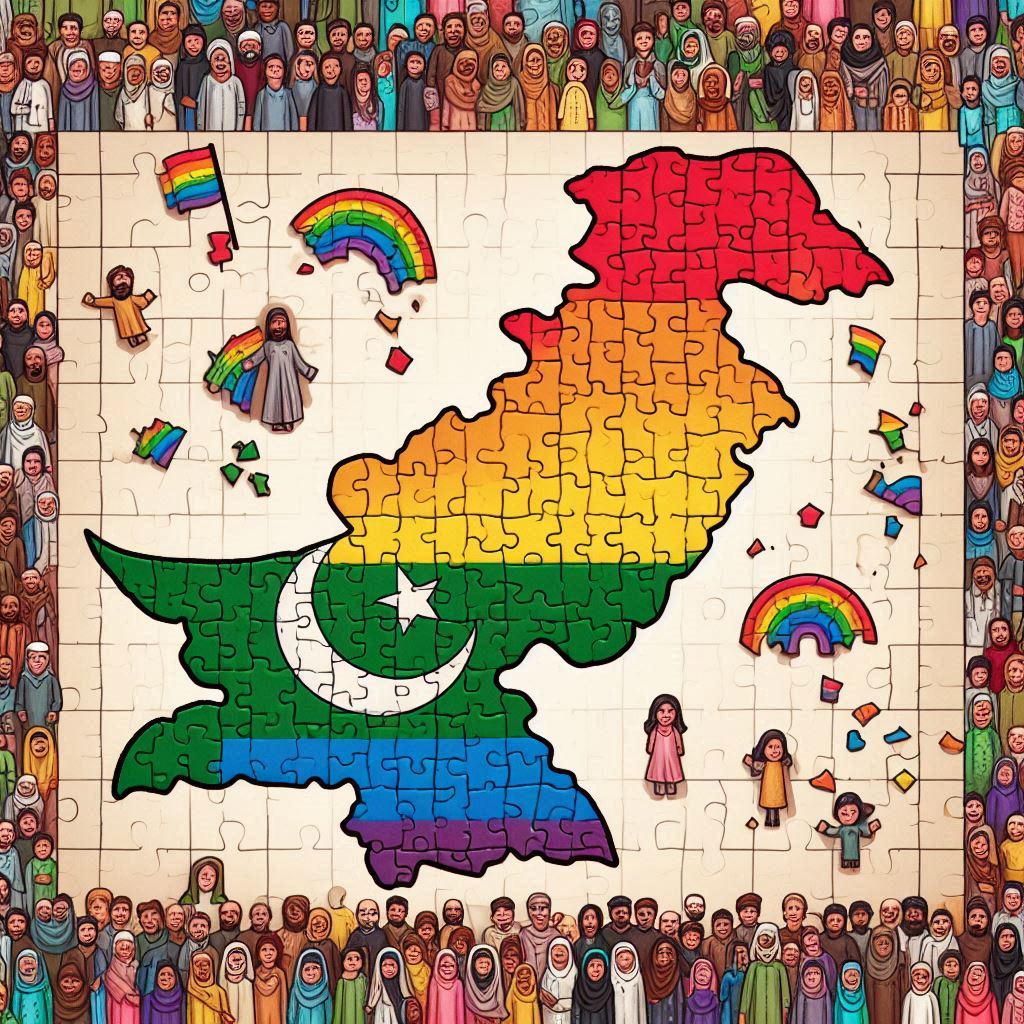
    My Pakistan is a beautiful mosaic, but some pieces are missing. Let’s work together to complete the picture, to create a Pakistan where everyone feels free to express their true selves, where love and acceptance are the cornerstones of our society.

    As gay Pakistani I am playing my role in whatever capacity I can so you can also do in whatever way you can. This is just the beginning of my story, and hopefully, of a larger conversation. Share your thoughts. Let’s build a brighter future, one where all of us, in all our colors, can find a place to belong.

    Remember, on AliRazaKhan.com, I’ll be sharing expereinces and stories on LGBTQ+ rights in Pakistan. Let’s keep the conversation going!

  • Ali Raza Khan Member UNAIDS Advisory Group on Monitoring the 30-80-60 Participated in Financial Data meeting

    Ali Raza Khan Member UNAIDS Advisory Group on Monitoring the 30-80-60 Participated in Financial Data meeting

    Exploring Financial Data as a Proxy for Monitoring Community-Led HIV Response

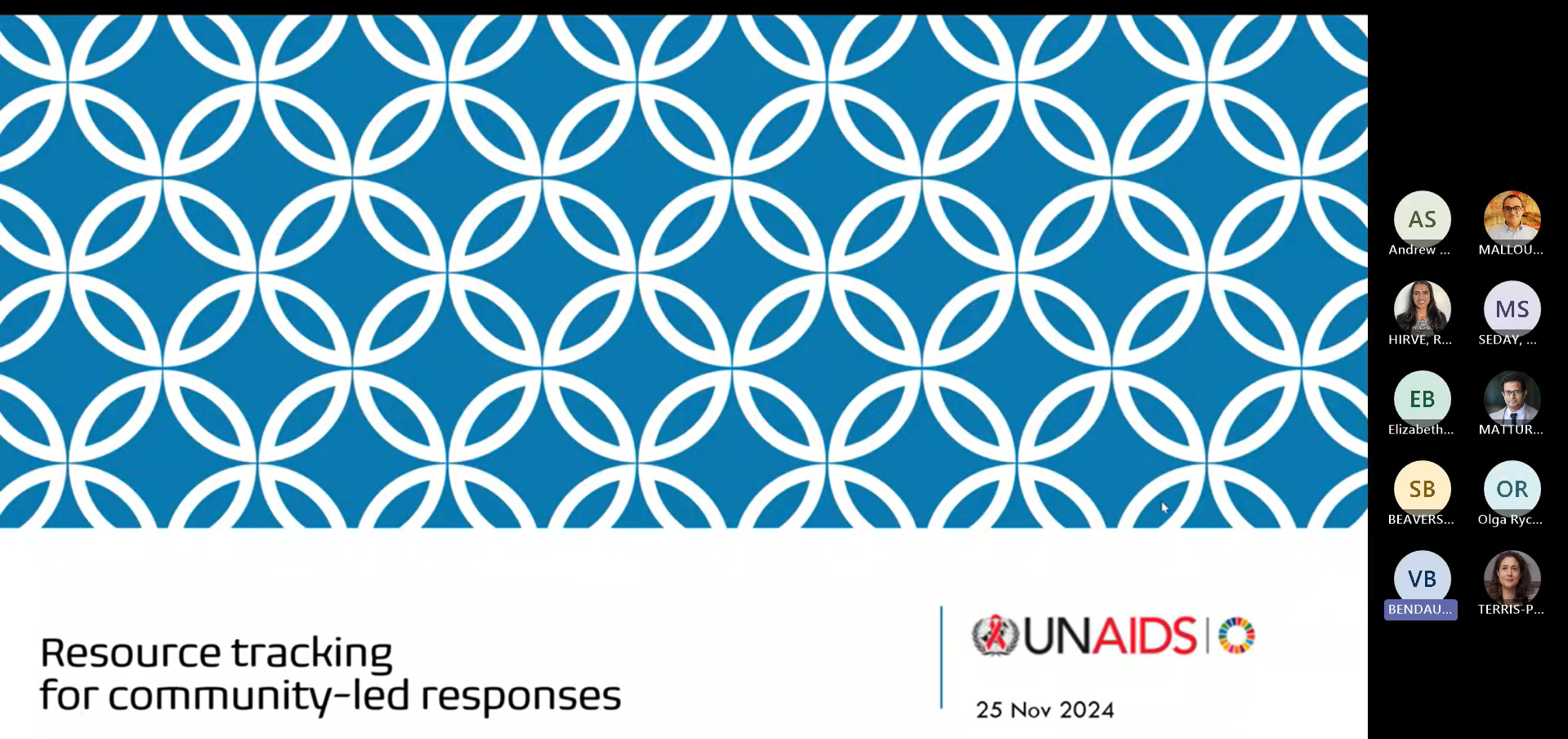
    This discussion focuses on the use of financial data to monitor the effectiveness of community-led HIV response efforts, specifically in relation to the 30-18-60 targets. The conversation builds upon a previous discussion in March, where Deepak presented initial findings on using financing data for monitoring. This session delves deeper into the results, tracking methods, and potential avenues for using financial data as a proxy measure for the 30-18-60 targets.

    Timeline and Financial Flows

    Deepak begins by outlining the timeline of monitoring financial flows through community-led HIV response. He highlights key milestones, including:

    • 2021: National assessments were pending, with no differentiation between community-based and facility-based modalities.
    • 2022: Six pilot projects provided valuable insights into resource tracking for community-led response, leading to the development of guidelines and updates to the UNAIDS spending assessment (NASA) framework.
    • 2024: Several countries began implementing community-led response resource tracking at a micro level.
    • 2025 and beyond: The goal is to provide standalone resource tracking modules for communities.

    Deepak then presents data on international funding channeled to communities, showing a decline from 31% in 2013 to 25% in 2023. He emphasizes the lack of data on domestic financing and the need for disaggregation by community-led organizations (CLOs) versus other civil society organizations (CSOs).

    NASA Dimensions and Vectors

    Deepak explains the three dimensions of the NASA framework:

    • Financing: Tracks funding sources, entities, schemes, and fees.
    • Provisioning: Tracks service providers and production factors.
    • Consumption: Tracks spending categories, service delivery modalities, and beneficiary populations.

    He then presents data on the percentage of funding channeled through community-based and home-based service delivery modalities, highlighting a decline from 17% to 8% over the years. This data is based on 17 countries and should be interpreted with caution due to variations in reporting across regions and years.

    Pilot Projects and Lessons Learned

    Deepak discusses the six-country pilot project on community-led resource tracking, which aimed to:

    • Track community-led organizations’ own resource use.
    • Include non-monetary contributions, such as volunteer time and in-kind donations.

    The pilots helped shape guidelines for resource tracking and highlighted the need to consider both CLOs and other CSOs in the tracking process.

    NASA Implementation and Data Collection

    Deepak describes the implementation of a full NASA in Pakistan, which included:

    • Mapping and screening of CSOs and CLOs.
    • Self-administered questionnaires for identified CLOs.
    • Virtual interviews and data collection using NASA templates.
    • Valuation of non-monetary contributions, such as volunteer time and donated goods.

    The Pakistan NASA revealed that almost 80% of funding for community-led organizations came from international sources, with a small proportion from domestic financing. The data also showed that a significant portion of the funding was directed towards prevention services for key populations.

    Future Directions and Next Steps

    Deepak outlines the future direction of community-led resource tracking, including:

    • Expanding the use of standalone resource tracking modules for communities.
    • Conducting NASA assessments in more countries, with a goal of reaching 30 countries by the end of 2026.
    • Further disaggregating data to track funding through both CLOs and CSOs.

    The discussion concludes with a focus on the importance of aligning resource tracking with costing guidelines for community-led response. Participants emphasize the need for both financial and non-financial data to advocate for increased funding and support for community-led service delivery. The group acknowledges the challenges of data collection, particularly for smaller organizations, and the need for capacity building in record-keeping.

  • A Crucial Meeting with UNAIDS: Advocating for Sustained HIV Funding

    A Crucial Meeting with UNAIDS: Advocating for Sustained HIV Funding

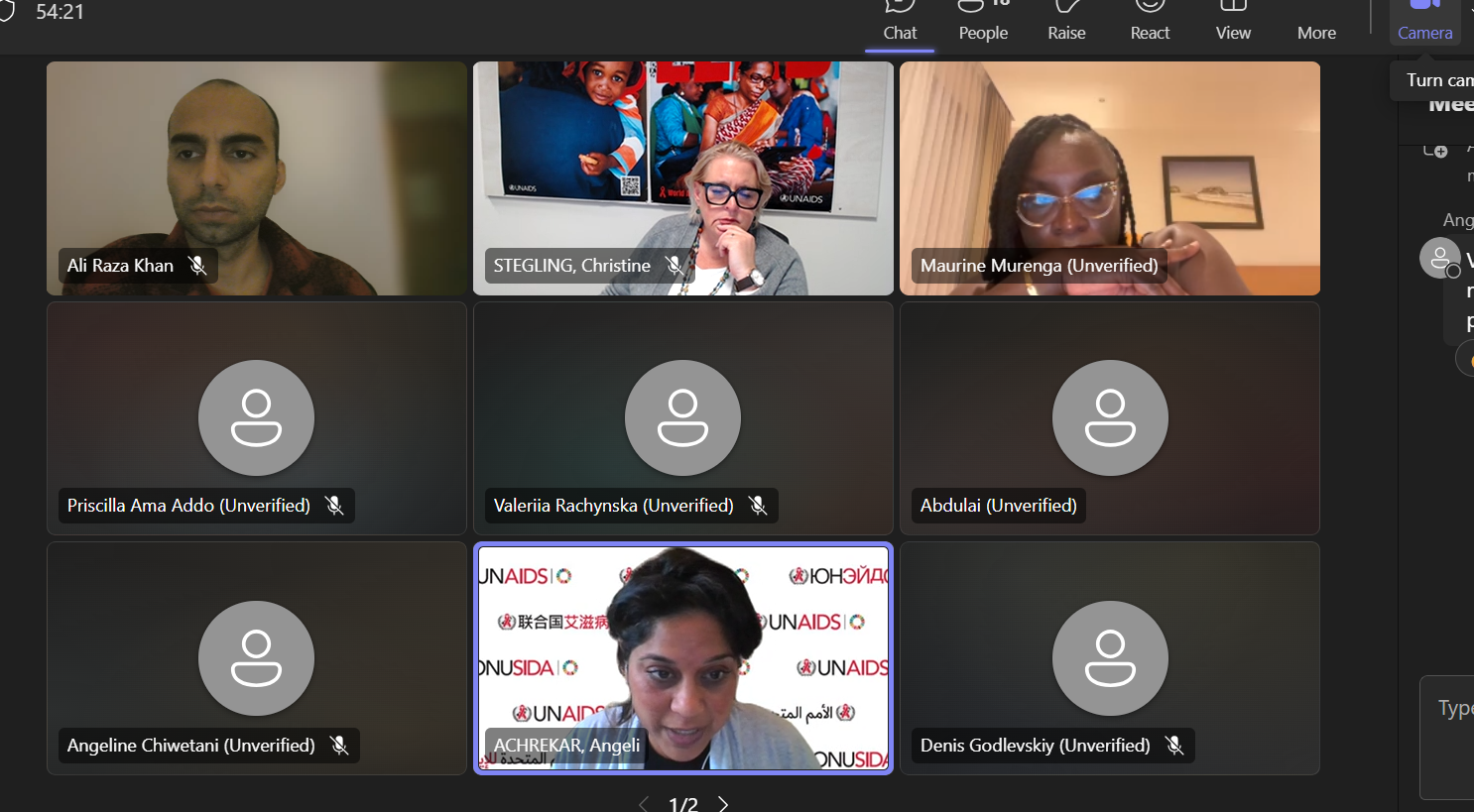
    Hello everyone, Ali Raza Khan here. As an HIV-positive gay activist and the founder of Pride Pakistan, I am dedicated to advocating for the rights and well-being of individuals living with HIV. Today, I had the privilege of meeting with key members of the UNAIDS team, including Angeli Achrekar, Deputy Executive Director for the Programme, and Christine Stegling, Deputy Executive Director for Policy, Advocacy and Knowledge. Alongside other members of the Communities Delegation to the Board of the Global Fund, we engaged in an essential discussion about the upcoming Global Fund 52nd board meeting in Malawi’s capital next week.

    The Dire Consequences of Reduced HIV Funding
    Our discussion highlighted some alarming data from UNAIDS. A reduction in HIV funding could lead to 1.3 million deaths in 12 countries. This stark statistic underpins our grave concerns about the potential regression in our progress against the HIV epidemic. Despite significant advances, there are still 9.3 million people in need of treatment and 1.3 million new infections globally each year. The situation is particularly dire for key populations such as children, adolescent girls, young women, and other marginalized groups who continue to suffer the most.

    Innovations in HIV Treatment and Prevention
    We also discussed the importance of embracing new, game-changing innovations in the HIV response. One such innovation is the advent of long-acting injectables for HIV prevention. These new treatments could be as close as we’ve ever been to an effective HIV vaccine, with nearly 100% efficacy in reducing new infections. However, without adequate funding and support from the Global Fund, these innovations may not reach the populations that need them most.

    The Broader Impact on Health Systems
    Our conversation extended to the broader implications of diminished HIV funding. The HIV response has significantly strengthened health systems worldwide, from lab infrastructures to community health workers and supply chain systems. These systems, which have also been critical in responding to other health crises like Ebola, are at risk if HIV funding is cut. Integration of HIV services with TB and family planning initiatives has already shown positive outcomes, and continuing this integration is crucial.

    The Critical Role of Community Systems
    The Global Fund’s support for community systems and human rights protection is integral to ensuring these biomedical innovations reach those in need. A shift away from HIV funding could exacerbate inequalities and make addressing human rights and gender inequalities even more challenging. Communities play a vital role in the HIV response, and their involvement is essential for maintaining progress and ensuring that no one is left behind.

    Our Commitment Moving Forward
    The UNAIDS team reiterated their commitment to providing any data or support we need as we prepare for our board interventions. As part of the Communities Delegation, we will continue to fight for sustained HIV funding and advocate for the populations most at risk. We are at a critical juncture where the decisions made can significantly impact the future of the HIV response and the lives of millions.

    This meeting reinforced the urgency of our mission. We must continue to advocate fiercely for the resources and support needed to combat HIV. I remain committed to this cause and will continue to work towards ensuring that every individual living with HIV has access to the treatment and care they deserve.

    Stay tuned for more updates from the Global Fund 52nd board meeting and our ongoing efforts to secure a brighter future for all. 🌍❤️

  • Empowering Communities: Understanding the UNAIDS 30-60-80 Targets in the Fight Against HIV/AIDS

    Empowering Communities: Understanding the UNAIDS 30-60-80 Targets in the Fight Against HIV/AIDS

    The fight against HIV/AIDS has seen tremendous progress in recent years. However, achieving the ambitious goal of ending the AIDS epidemic by 2030 requires innovative strategies and a focus on empowering the communities most affected by the virus. This is where the UNAIDS 30-60-80 targets come into play.

    What are the UNAIDS 30-60-80 Targets?

    The UNAIDS 30-60-80 targets are a set of ambitious goals outlined in the Global AIDS Strategy 2021-2026. These targets aim to dramatically increase the involvement of community-led organizations in delivering critical HIV-related services and programs. Here’s a breakdown of each target:

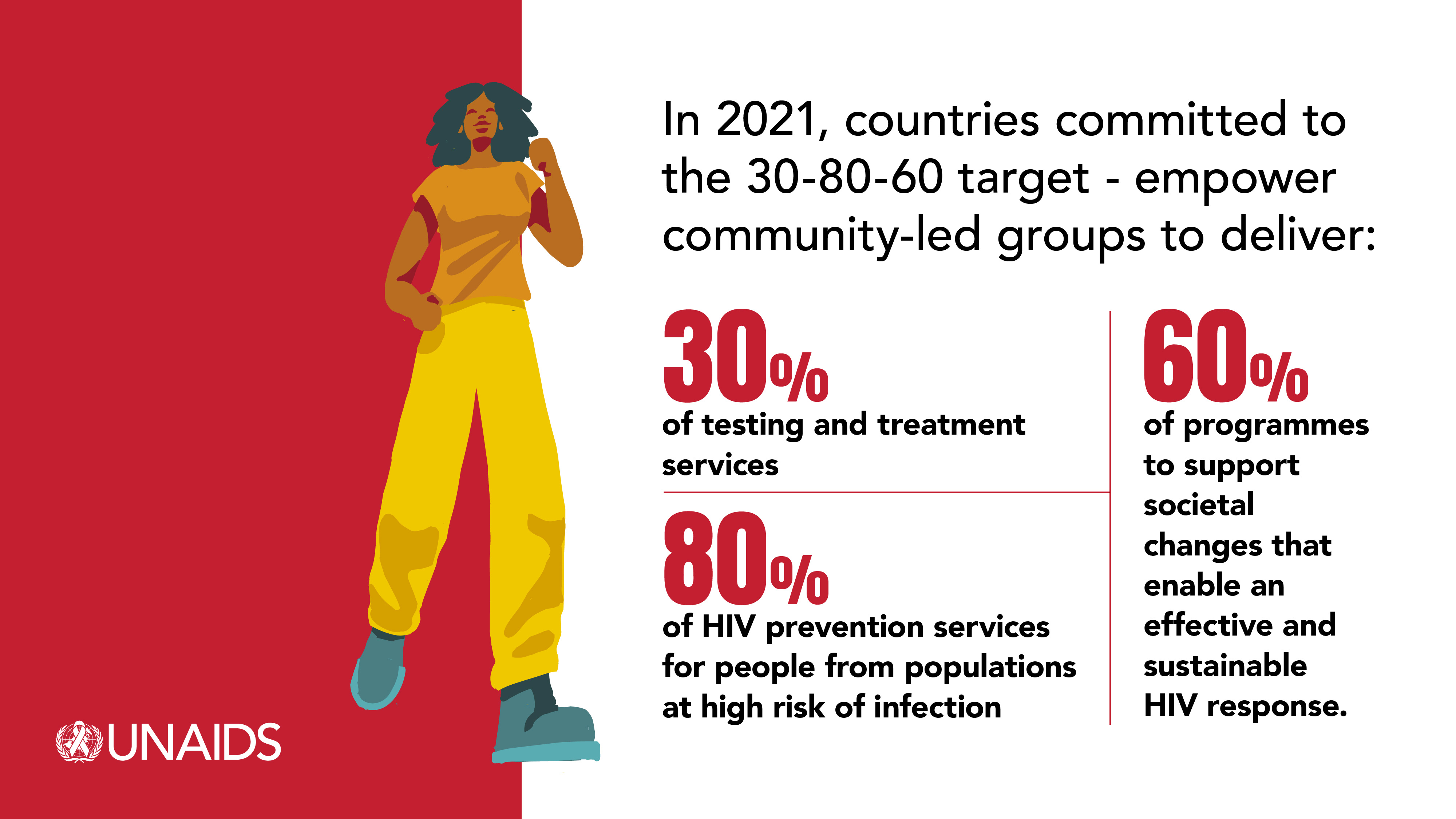
    1. 30%: By 2025, at least 30% of HIV testing and treatment services should be delivered by community-led organizations. This includes crucial services like HIV testing, linking individuals to treatment, providing support for adherence and retention in treatment programs, and promoting treatment literacy.
    2. 60%: By 2025, a significant portion (60%) of programs that address societal enablers for HIV prevention and treatment should be delivered by community-led organizations. Societal enablers encompass broader social and structural factors that influence HIV outcomes. Examples include reducing stigma and discrimination against people living with HIV, promoting gender equality, and advocating for human rights.
    3. 80%: By 2025, a staggering 80% of HIV prevention services for populations most at risk of HIV infection, including women, should be delivered by organizations led by communities, key populations themselves (such as sex workers, people who inject drugs, and men who have sex with men), and women-led organizations. These services might include condom distribution, pre-exposure prophylaxis (PrEP), and readily available HIV testing.
      Why are the 30-60-80 Targets Important?

    These ambitious targets are crucial for achieving several key goals in the fight against HIV/AIDS:

    Empowerment: Community-led organizations are uniquely positioned to understand the specific needs and challenges faced by their communities. By increasing their role in delivering services, the targets empower these communities to take ownership of the HIV response.
    Improved Access: Community-based organizations often have established trust and reach within their communities. This allows them to provide services in a more culturally appropriate and accessible way, leading to potentially higher utilization by individuals who might otherwise hesitate to access traditional healthcare settings.
    Tailored Interventions: Community-led organizations have a deep understanding of local contexts and can design interventions that are more responsive to the specific needs of key populations and people living with HIV.
    Challenges and the Path Forward

    Reaching the 30-60-80 targets requires addressing some challenges. Currently, there’s a lack of robust tracking systems to monitor progress towards these goals. Additionally, sustainable funding for community-led organizations is critical to ensuring their long-term effectiveness. Despite these challenges, the UNAIDS 30-60-80 targets represent a bold and necessary step towards ending the AIDS epidemic. By increasing community ownership and leadership in the fight against HIV/AIDS, these targets can help ensure that no one is left behind, and that critical services reach those who need them most.

    Myself Ali Raza Khan is Committed to Accurate Information on HIV/AIDS :

    On my site AliRazaKhan.com I believe in providing accurate and up-to-date information on HIV/AIDS for community and key population awarenss. I hope this article on the UNAIDS 30-60-80 targets sheds light on a crucial aspect of the global strategy towards ending the AIDS epidemic.

    Read more about HIV in my blogs Here

    Or on UNAIDS sources Here and Here

  • United Vision HIV Awareness Session with Ali Raza Khan

    United Vision HIV Awareness Session with Ali Raza Khan

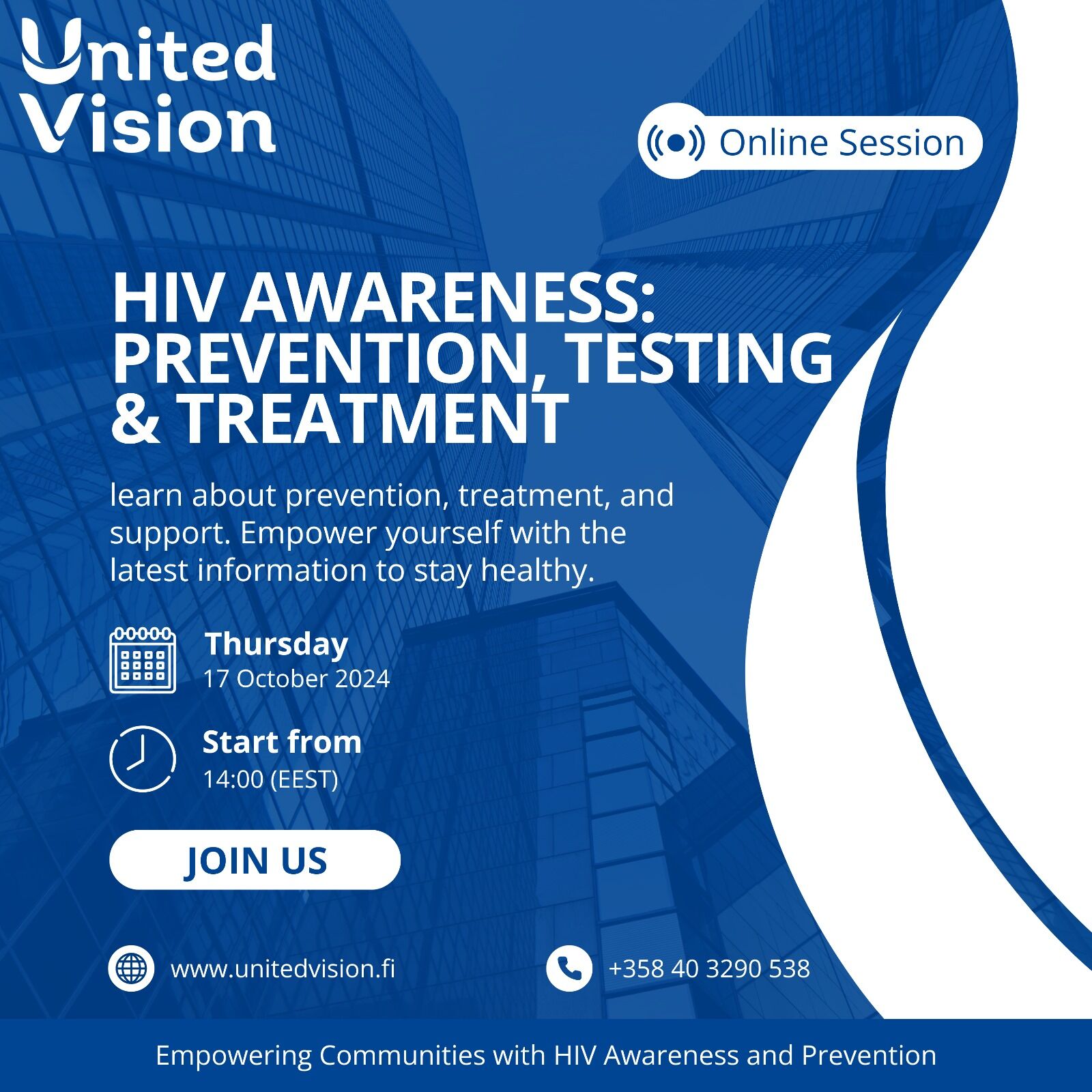
    Ali Raza Khan, a renowned HIV positive gay activist, will be delivering an online awareness session as part of the HIVPoint.fi Health Buddy 2024 volunteer program. This crucial event is organized in collaboration with UnitedVision.fi and aims to educate and empower individuals about HIV.

    Join the session on October 17, 2024, at 14:00 (EEST) via Google Meet. (https://meet.google.com/xzv-gdko-ynv) During the session, participants will learn essential facts about HIV transmission, prevention, testing, and the available treatments in Finland that can help stop the spread of the virus. This safe space for discussion will be led by Health Buddy Ali Raza Khan, who brings a wealth of experience and dedication to the cause.

    Ali Raza Khan has been a tireless advocate for the rights of men having sex with men, gay people, sex workers, and other HIV key populations both in Pakistan and globally. His dedication to raising awareness and supporting affected communities has made a significant impact worldwide.

    Don’t miss this opportunity to empower yourself with knowledge. Whether you’re looking to learn for yourself or to support others, this session is for everyone!

    For more details and updates, visit AliRazaKhan.com blogs sesction and follow Ali Raza Khan’s social media by supporting his continued efforts in advocating for a healthier, more informed community.

    More details on UnitedVision.fi social media pages below

  • Breaking Barriers: An Inclusive Approach to HIV Advocacy and Community Leadership

    Breaking Barriers: An Inclusive Approach to HIV Advocacy and Community Leadership

    In the dynamic sphere of global health and human rights, fostering inclusive and comprehensive approaches is paramount. During the last week of October 2024, I had the distinct honor of participating in an online consultation held on 2nd October 2024, orchestrated by the Love Alliance Partnership in collaboration with STOPAIDS, WACI Health, and the Global Network of People Living with HIV (GNP+). This initiative was a cornerstone in addressing pivotal issues related to community leadership and societal enablers, especially significant for individuals like myself—an HIV-positive gay person from Pakistan.

    Overview of Consultation Process
    The consultation, spanning from July to October 2024, comprised a series of meticulously organized meetings. These included an in-person meeting during the International AIDS Society Conference in Munich, Germany, and three online meetings. This collaborative effort was instrumental in creating a platform for linking and learning on global commitments, targets, and initiatives centered on health, rights, social accountability, and community leadership.

    Core Themes Explored
    The consultation series honed in on three core themes:

    • Policies, Programs, and Investment in Community Leadership and Societal Enablers
    • Scaling Up Community-Led Responses and Societal Enablers
    • Accountability for Financial Investments

    These themes were pivotal in highlighting the alignment between global targets and local policies and programs, with a key focus on the criminalization of communities impacted by HIV and LGBTIQ+ individuals.

    Importance of Participation
    My participation in this consultation was not just a personal milestone but a significant step towards amplifying the voices of marginalized communities. As an HIV-positive gay person from Pakistan, my experiences and insights brought a unique perspective to the discussions. Pakistan, like many other countries, grapples with persistent stigma and discrimination, particularly against LGBTIQ+ communities, people who use drugs, and sex workers. Such discrimination often leads to the exclusion of these communities from essential healthcare services, thereby exacerbating health inequities.

    Fostering Change Through Advocacy
    The insights garnered from this consultation series are set to shape a comprehensive white paper and advocacy roadmap. This roadmap aims to increase funding for community-led responses, expand civic space and freedoms, and progress towards decriminalization. It is crucial to address factors like criminalization, lack of funding, and exclusion in decision-making processes to foster an inclusive environment that upholds the rights and dignity of all individuals, irrespective of their HIV status or sexual orientation.
    The consultation series epitomizes a collaborative effort to dismantle barriers and champion the rights of marginalized communities. My involvement in this process underscores the importance of inclusive dialogue and advocacy in driving meaningful change. By participating, I was able to contribute to a broader narrative that seeks to transform global health policies and ensure that no one is left behind in the fight against HIV and stigma.

    Participating in such pivotal discussions is not just about sharing experiences but about paving the way for a more inclusive and equitable future. Through continuous advocacy and collaboration, we can foster an environment where every individual, regardless of their background, can access the care and support they need.

    Read the complete report from consulation Here

    Further Readings
    ● Global AIDS Strategy:
    https://www.unaids.org/en/resources/documents/2021/2021-2026-global-AIDS-strategy
    ● HIV PREVENTION 2025 ROAD MAP – Page 5:
    https://www.unaids.org/sites/default/files/media_asset/prevention-2025-roadmap_en.pdf

    https://www.undp.org/blog/human-rights-and-sdgs-two-sides-same-coin
    ● The Every Woman Every Child Strategy:
    https://data.unicef.org/wp-content/uploads/2017/02/EWEC_globalstrategyreport_200915_FINAL_WEB.pdf
    ● 2021 Political Declaration on HIV and AIDS:
    https://hivlanguagecompendium.org/high-level-precedent/2021-political-declaration-on-hiv-and-aids.html
    ● 2019 Political Declaration on UHC:
    https://hivlanguagecompendium.org/high-level-precedent/2019-political-declaration-of-the-hlm-on-uhc.html
    ● STOPAIDS Statement Highlighting Contrasts Between the 2019 1 and 2023 2 UHC Political Declarations https://stopaids.org.uk/wp-content/uploads/2023/09/HLM-2023-UHC-statement-.pdf

  • Ali Raza Khan Advocates for Key Populations at the Communities Delagation to the Global Fund Board’s Lusaka Agenda Discussion

    Ali Raza Khan Advocates for Key Populations at the Communities Delagation to the Global Fund Board’s Lusaka Agenda Discussion

    The Communities Delegation to the Board of the Global Fund recently convened to discuss the Lusaka Agenda, a pivotal initiative aimed at enhancing the involvement and engagement of key populations in the fight against HIV, TB, and malaria. Among the passionate voices at this discussion was Ali Raza Khan, an HIV-positive activist from Pakistan. Ali’s contributions underscored the critical importance of including and empowering HIV key populations, particularly the gay and MSM (men who have sex with men) communities.


    Flows of global health financing in 2021

    The Lusaka Agenda:

    December 12, 2023 marked the launch of the Lusaka Agenda. It proposes an action plan for a shared, long-term vision of nationally-funded healthcare systems, as well as Universal Health Coverage (UHC) that leaves no one behind. To achieve these objectives, the Agenda proposes five major changes.

    The Lusaka Agenda recommends five main changes:

    1. Strengthen the contribution to primary health care (PHC) by effectively strengthening health systems: GHIs are expected to make a greater contribution to PHC by effectively strengthening health systems. The aim is to improve access to essential services, promote preventive measures and guarantee local care.

    2. To act as a catalyst for national and sustainable financing of health services and public health functions: this can reinforce sustainability and reduce dependence on external sources of funding.

    3. Strengthen joint approaches to achieving equity of health outcomes: ensuring that health services are distributed equitably and reach marginalized populations.

    4. Ensure strategic and operational coherence: streamlining efforts and resources to achieve common health objectives.

    5. Coordinate approaches to products, research and development (R&D), and regional manufacturing to address market and policy failures related to global health: encouraging innovation and progress in healthcare delivery.

    The Lusaka Agenda & the Global Fund:

    • The Lusaka Agenda focuses on strengthening the participation of key populations in Global Fund initiatives.
    • It aims to ensure that the voices of those most affected by HIV, TB, and malaria are heard and considered in decision-making processes.
    Process leading up to the Lusaka Agenda and follow-up

    Ali Raza Khan’s Participation:

    • Ali Raza Khan, a dedicated HIV-positive activist, played a significant role in the discussions.
    • His extensive experience with the Communities Delegation to The Global Fund Board and his advocacy for the rights of people living with HIV made his insights invaluable.

    Importance of Engaging Key Populations:

    • Ali emphasized that involving key populations, including the gay and MSM communities, is essential for effective HIV prevention and treatment.
    • He highlighted that these communities often face stigma and discrimination, which can hinder their access to healthcare and support services.

    Issues and Challenges Discussed:

    • Changing Power Dynamics:
      • Traditional Donors’ Control: There was a critical discussion on whether traditional donors are genuinely willing to relinquish control.
      • Recipient Countries’ Capacity: Concerns were raised about whether recipient countries have the financial and technical capacity to take the reins.
      • Dismantling Power Structures: The challenge of dismantling entrenched power structures within the global health financing architecture was acknowledged.
      • Incentives for Change: The need for concrete incentives to encourage a shift towards flexible, long-term financing models that prioritize national health plans over pre-established agendas was emphasized.
      • Strengthening Country Ownership: It was noted that strengthening country ownership depends on the strength of health systems in recipient countries. Global Health Initiatives (GHIs) must provide targeted capacity-building support to ensure recipient countries have the technical expertise and governance structures needed to lead their own health destinies.

    Ali’s Message:

    • Ali passionately advocated for the inclusion of key populations in all aspects of Global Fund initiatives response to Lausaka Agenda.
    • He stressed that meaningful engagement goes beyond token representation; it requires active participation and leadership from within these communities that is why it is important to include and mention key populations including gays and HIv communities.
    • Ali’s message was clear: “To combat HIV effectively, we must ensure that those most affected are at the forefront of our efforts by ensuring theri voices included.”
    • He insisted on blatantly and categorically adding gays and other criminalized populations, as well as HIV communities, to the Lusaka Agenda through the platform of Communities Delegation the the board of the Global Fund. Ali highlighted that excluding these groups would severely undermine the effectiveness of the Global Health Initiatives like The Global Fund.
    • Ali warned that countries that criminalize these populations might follow the Lusaka Agenda without genuinely including gays and HIV communities, leading to continued marginalization and inadequate support for those most in need.

    Impact of the Discussion:

    • The Lusaka Agenda discussion in the Global Fund and Communities Delegation provided a platform for key population representatives to share their experiences and challenges.
    • Ali’s contributions helped to highlight the unique needs and perspectives of the gay and MSM communities that should be mentioned in Lausaka Agenda road map.
    • The discussion reinforced the Communities Delegation commitment to equity and human rights, ensuring that no one is left behind in the fight against HIV, TB, and malaria.

  • The Impact of Climate Change on People Living with HIV, Men Having Sex with Men and Gay Communities in Pakistan: Insights from the AIDS 2024 Conference

    The Impact of Climate Change on People Living with HIV, Men Having Sex with Men and Gay Communities in Pakistan: Insights from the AIDS 2024 Conference

    Munich, Germany – At the AIDS 2024 conference, Ali Raza Khan, founder of Pride Pakistan, delivered a compelling speech on the intersection of climate change and its effects on people living with HIV, gay men, and men who have sex with men (MSM). His presentation highlighted the severe impacts of climate change on these vulnerable communities, particularly in Pakistan.

    The Devastating Effects of Floods in South Punjab

    In 2024, more than 100 people have died due to flood-related atrocities in Pakistan. Ali Raza Khan, hailing from South Punjab, one of the most affected regions, shared his personal experiences and the struggles faced by his community. He emphasized that the gay community members in Pakistan are significantly impacted by the changing climate, including extreme heat, heavy rainfall, and increased water pollution.

    Watch The Recording Below

    Ali Raza Khan founder Pride Pakistan spoke about climate and effect on people living with HIV, gays and men having sex with men during the AIDS 2024 conference in Munich.

    Community Insights and Statistics

    Khan presented data from studies conducted by Pride Pakistan, available on their website PridePakistan.org. He focused on the flood aspects, revealing that in the past five years, 100% of the community members surveyed reported being affected by flooding or heavy rainfall. This statistic underscores the pervasive nature of climate-related challenges in the region.

    When asked about their concerns regarding climate change, 82% of the community members expressed that they believe climate change has a significant impact on their lives. Only 17% did not consider it a priority. Furthermore, 100% of the respondents acknowledged that climate change poses a threat to their health and well-being.

    Beyond Climate: Additional Challenges

    Khan also highlighted other pressing issues in Pakistan, such as terrorist activities and conflicts in regions like Balochistan and Khyber Pakhtunkhwa (KPK), which cover more than 70% of Pakistan’s geographical area. These areas have limited healthcare services, exacerbating the struggles faced by the communities. For instance, in Balochistan, only one community-based organization serves a vast area, and access to services is further hindered by floods and security issues.

    Resilience and Adaptation

    Despite these challenges, the community continues to show resilience. In Pakistan, where gay men and MSM are criminalized, community services and healthcare remain crucial. Young people are actively engaged in mitigation measures, such as plantation projects, to counter the impacts of climate change. The community is also collaborating with stakeholders to ensure inclusive efforts for those living with HIV, gay men, and MSM.

    Khan concluded his speech by emphasizing the need for continued adaptation to the changing climate. He called for greater support and collaboration to address the multifaceted challenges faced by these vulnerable communities.


    Ali Raza Khan’s speech at the AIDS 2024 conference serves as a powerful reminder of the urgent need to address climate change and its disproportionate impact on marginalized communities. His insights highlight the resilience and determination of these communities in the face of adversity. For more detailed information and studies, visit AliRazaKhan.com and PridePakistan.org.

    Link to program details on International Aids Society: https://programme.aids2024.org/Programme/Session/15

    Link to Recordings on International Aids Society Page:

    https://plus.iasociety.org/webcasts/resilience-rising-understanding-impact-emergencies-communities

    Rapporteur Summary

    AUTHOR

    Lucy Wanjiku Njenga

    SUMMARY

    Civil society has always been at the center of emergencies ensuring that their communities are able to overcome the challenges and impacts that are left behind when emergencies happen. The communities pull their resources together to address these issues and this is not an event rather a process.

    HIGHLIGHTS

    Whether it is floods in Pakistan, violence, unrest and natural calamities in Haiti, immigrants and refugees in Europe, UK, Columbia and Peru; the communities of people most affected come together to address the challenges head on. “Governments come and go but civil society is always there to work with communities,” shared Mary Ann Torres of ICASO who took the participants through Venezuela advocacy for Global Fund grant. As a country that did not fit what was required to get funded by the Global Fund, the civil society members organised and advocated relentlessly sharing their true lived realities and this saw the country become a recipient of the fund. “The location might be different but the experiences the same. If organisations and communities can share with each other, to learn from each other instead of reinventing the wheel, a lot can be achieved.” Shared Judy Otti of the African Advocacy Foundation. “It is important to understand emergencies last longer and have lasting impact…More resources are needed to ensure that the communities are not left on their own to figure it out.” said Mary Ann Torres

    CRITICAL ASSESSMENT

    Time and time again, civil society picks up the pieces of what is left of their communities after an emergency. When the rest of the world moves on to focus on the country and the next issue, they are the ones who have to figure out how to function in the new normal. For this to be possible and continue, there is need to invest continuously in these efforts.

  • Mpox Vaccination for People Living with HIV: My Personal Experience

    Mpox Vaccination for People Living with HIV: My Personal Experience

    Mpox, a viral illness similar to smallpox, has been declared a global health emergency by the World Health Organization (WHO). For people living with HIV, understanding the risks and benefits of Mpox vaccination is vital. As an HIV-positive gay activist from Pakistan, I want to share my personal experience and insights on the importance of vaccination and preventive measures.

    I, Ali Raza Khan, an HIV-positive individual, have faced numerous challenges throughout my journey. My experience with HIV treatment and vaccinations has reinforced my belief in the importance of science and medical advice. Since April 2019, I’ve undergone numerous changes to my medication regimen to achieve an undetectable HIV viral load. I have seen many other HIV-positive people listening to rumours and delaying their treatments and vaccinations.

    Similar rumours occurred when the COVID-19 vaccine was introduced. HIV-positive people were curious and asked many questions, including: Should we take the COVID-19 vaccine? Is it safe for us? As a health worker working in community HIV prevention programs, I was among the first to take the COVID-19 vaccine, and it was safe.

    I believe in science and doctors who have saved my life over these years. I want other HIV-positive people to trust scientists and protect themselves from Mpox and other infections by vaccinating or adhering to their doctors’ prescribed treatments.”

    My understanding of the risks and benefits drove my decision to vaccinate against monkeypox. I emphasise the importance of trusting medical professionals and seeking accurate information from reliable sources.

    I have taken the Mpox vaccination, and from my personal experience, I can say that I didn’t experience any adverse side effects after receiving it. It was a smooth process for me.

    I urge other HIV-positive individuals, as well as people from key populations, including the LGBTQ+ community, to get vaccinated against Mpox if the vaccine is available in their area. It’s a crucial step in protecting your health.

    By sharing my personal experience, I encourage others to trust medical professionals and seek accurate information. Individuals can play a vital role in controlling the spread of Mpox by taking preventive measures and getting vaccinated.

    For accurate and up-to-date information on monkeypox, visit the websites of your local health department, the World Health Organization (WHO), and reputable health organisations. These resources can guide vaccination, prevention, and treatment.

    Check the U.S. Department of Health & Human Services website checklist if you should get vaccinated or not as a person living with HIV: https://www.hiv.gov/hiv-basics/staying-in-hiv-care/other-related-health-issues/monkeypox

    World Health Organisation guidelines around symptoms, diagnosis, treatment and prevention here: https://www.who.int/news-room/fact-sheets/detail/monkeypox

    Link to theYouthPACT.org Instagaram post here

    Link to TheYouthPACT.org facebook post Here

    Read article on The Youth PACT website

  • Monkeypox Vaccination for People Living with HIV: Ali Raza Khan Personal Experience and Guidelines for Community

    Monkeypox Vaccination for People Living with HIV: Ali Raza Khan Personal Experience and Guidelines for Community

    Monkeypox, a viral illness similar to smallpox, has been declared a global health emergency by the World Health Organization (WHO). For people living with HIV, understanding the risks and benefits of monkeypox vaccination is crucial. As an HIV-positive gay activist from Pakistan, Ali Raza Khan wants to share personal experience and insights on the importance of vaccination and preventive measures.

    Ali Raza Khan, an HIV-positive individual, has faced numerous challenges throughout his journey. His experience with HIV treatment and vaccination has reinforced his belief in the importance of science and medical advice. He shares “ Since April 2019 and I have gone through a lot of medicine changes to get HIV undetectable viral load. I have seen many other HIV positive people listening to rumors delaying their treatments and vaccinations and eventually believing the science and doctors.” 

    He was one of the first people in his community health care workers to receive the COVID-19 vaccine when it was only allowed for health care providers, despite widespread misinformation and concerns in the community. 

    “Similar rumors happened in the covid-19 when the covid-19 vaccine came HIV positive people were curious with a lot of questions around having covid-19 vaccine as HIV positive individuals including Should we take the covid-19 vaccine or not? Is it safe for us or not? I was one of the first that took the covid-19 vaccine as a health worker I was working in community HIV prevention programs. I believe in science and doctors that have saved my life over these years from different infections I suffered and I wanted other HIV positive people to trust on scientists and protect themselves from monkeypox and other infections by vaccinating or adhering to their doctors prescribed treatments.”

    Ali Raza Khan’s decision to get vaccinated against monkeypox was driven by his understanding of the risks and benefits. He emphasizes the importance of trusting medical professionals and seeking accurate information from reliable sources. His personal experience demonstrates that vaccination can be a powerful tool in preventing serious illnesses, even for those living with HIV.

    Transmission according to WHO:

    Person-to-person transmission of mpox can occur through direct contact with infectious skin or other lesions such as in the mouth or on genitals; this includes contact which is

    • face-to-face (talking or breathing)
    • skin-to-skin (touching or vaginal/anal sex)
    • mouth-to-mouth (kissing)
    • mouth-to-skin contact (oral sex or kissing the skin)
    • respiratory droplets or short-range aerosols from prolonged close contact

    The virus then enters the body through broken skin, mucosal surfaces (e g oral, pharyngeal, ocular, genital, anorectal), or via the respiratory tract. Mpox can spread to other members of the household and to sex partners. People with multiple sexual partners are at higher risk.

    Monkeypox Diagnosis according to WHO:

    Identifying mpox can be difficult as other infections and conditions can look similar. It is important to distinguish mpox from chickenpox, measles, bacterial skin infections, scabies, herpes, syphilis, other sexually transmissible infections, and medication-associated allergies. Someone with mpox may also have another sexually transmissible infection such as herpes. For these reasons, testing is key for people to get treatment as early as possible and prevent further spread.

    Monkeypox Vaccination for People Living with HIV

    People living with HIV are generally at higher risk for monkeypox infection, especially if they have a weakened immune system. Vaccination can significantly reduce the risk of severe illness and complications. Here’s what people living with HIV should know that by having a monkeypox vaccination you are 

    • Reducing risk of severe illness and hospitalization for yourself
    • Protection against potential complications
    • Individual contribution to public health efforts to control the spread of monkeypox in community

     You might only have mild side effects, such as pain at the injection site, fever, fatigue, and headache as serious side effects are rare in monkey pox vaccination.

    If you are eligible or not it can vary by country or region. Consult with your healthcare provider for specific guidance.

    “ Go for the vaccination if you have some questions I would like to clear in this post. Monkeypox is declared as a global Health concern by WHO. I already have taken my first dose of monkeypox vaccine last time when I was wasting in Canada as Canada has monkeypox free vaccine for visitors as well. On the other hand in my country in Pakistan the vaccine is still not available. If it is also not available in your country you can follow preventive guidelines from WHO on monkeypox. I did not have anything wrong or any side effects after taking the monkey pox vaccine. I would also suggest other HIV positive people and people from key populations including gay community To go and get themselves vaccinated with monkeypox if they have it available in their country. ”

    Preventive Measures

    Even if you have been vaccinated, it’s essential to follow preventive measures to reduce your risk of monkeypox infection:

    • Practice safe sex: Use condoms and limit the number of sexual partners.
    • Avoid contact with infected individuals: Be aware of symptoms and avoid direct contact with people who have monkeypox.
    • Wash your hands frequently: Use soap and water or hand sanitizer.
    • Clean and disinfect surfaces: Regularly clean and disinfect surfaces that may be contaminated.

    “It is important for us as vulnerable population of  people from queer and sex work community to have basic information and guidelines around monkey pox vaccination especially for people living with HIV and also to get accurate guidance and information around Mpox from verified sources including health ministries websites and Worlf Health Organisation resources. “

    Monkeypox vaccination is a crucial tool in protecting people living with HIV from serious illness. By sharing his personal experience, I encourage others to trust medical professionals and seek accurate information. By taking preventive measures and getting vaccinated, individuals can play a vital role in controlling the spread of monkeypox.

    For accurate and up-to-date information on monkeypox, visit the websites of your local health department, the World Health Organization (WHO), and reputable health organizations. These resources can provide guidance on vaccination, prevention, and treatment.

    Check the US U.S. Department of Health & Human Services website checklist if you should get vaccinated or not as a person living with HIV: https://www.hiv.gov/hiv-basics/staying-in-hiv-care/other-related-health-issues/monkeypox

    World Health Organisation guidelines around symptoms, diagnosis, treatment and prevention here: https://www.who.int/news-room/fact-sheets/detail/monkeypox

  • Artists, Scientists Collaborate In Art Exhibition Focused On HIV Including Ali Raza Khan

    Artists, Scientists Collaborate In Art Exhibition Focused On HIV Including Ali Raza Khan

    Artists and scientists have worked together to create pieces of art now on display in Munich, Germany in conjunction with the International AIDS Conference. The exhibition, titled HIV Science As Art, was conceived by co-curators Jessica Whitbread and Daniel Cordner. It follows in the footsteps of their 2023 show that was on display a year ago during the IAS Conference on HIV Science in Brisbane Australia.

    The art will be for sale and all proceeds will be used to support community-based HIV programs in Eastern Europe, Central Asia, and Africa. But the impact of the show extends beyond raising money for worthwhile organizations. The exhibition also challenges viewers to think more deeply about important biomedical and social issues.

    One artist/scientist pair worked together to create a piece on vaccine hesitancy. Charles Ryan Long is a Chicago-based artist and long-time HIV/AIDS activist. He partnered with Dr. Heidi Larson, a professor at the London School of Hygiene and Tropical Medicine and founder of the Vaccine Confidence Project. Their piece is entitled, “The Roots of (dis)Trust.”

    Khairullah Rahim, an artist based in Singapore, collaborated with Ali Raza Khan, an HIV activist in Pakistan. Their piece, “Penjaga Hutan Batu (Guardian of the Stone Jungle),” is a short video ostensibly about pigeons. But Khairullah noted that the pigeons represent so much more. These birds often are vilified as carriers of disease. Too often, he remarked, people living with HIV are similarly vilified.

    Both artists remarked that the collaborations with their science partners grew very organically. Long commented that when he was speaking with Dr. Larson about her work on vaccine hesitancy, the idea came quickly. “This is about trust,” he said. “It came to me rather easily and then it was just about how to transfer that idea.”

    Rahim had similar thoughts about his collaboration. The process, “was very spontaneous. We wanted to see where the experimentation would bring us. There was no very clear end product that we were interested in.”

    The exhibition has been supported by the pharmaceutical company ViiV Healthcare and Münchner Aids-Hilfe, an organization supporting people living with HIV in the Munich region since 1984. Works of art are on display at Brainlab, Olof-Palme-Straß 9 in Munich through July 25, 2024. The exhibition is open to the public daily from 10:00 AM until 7:00 PM local time.

    Read more on original article on Forbes website here

    https://www.forbes.com/sites/davewessner/2024/07/22/artists-scientists-collaborate-in-art-exhibition-focused-on-hiv

    Muenchner Aidshilfe Instagram page here

    https://www.instagram.com/p/C9Ry0raAQA6

    On ViiV Healthcare Social Media Here

    https://www.instagram.com/p/C91qsY4MtBF

  • Connectedness & Community – Ali Raza Khan Journey with UNICEF Global Partnership for Adolescent and Young Key Populations

    Connectedness & Community – Ali Raza Khan Journey with UNICEF Global Partnership for Adolescent and Young Key Populations

    It was an honor to be invited by the UNICEF-led Global Partnership for Adolescents and Young Key Populations (Global ayKP Partnership) to speak at their recent event. The topic, “Connectedness & Community,” resonates deeply with the work we are doing on the ground in Pakistan for children and young people living with HIV and other vulnerable key populations, including gays, MSM (men who have sex with men), and sex workers. Here’s a summary of the insights I shared during the session.

    At HIV Voices, we define ourselves as a youth-led initiative working for young people living with HIV and adolescents from key populations. Our approach leverages digital and innovative methods to reach individuals who are often difficult to engage due to their circumstances and locations in Pakistan. Our group comprises a diverse array of young people dedicated to spreading awareness about HIV, prevention methods, and addressing the unique challenges we face, including security concerns and the impact of climate change.

    Engagement and Empowerment

    One of our core activities involves ensuring that adolescent and young key population (ykp) voices are heard. This includes:

    • Mobilizing our members
    • Conducting capacity-building training sessions
    • Utilizing various platforms and methods available on the ground
    • Making our voices heard at national and global levels through letter and story campaigns, particularly on digital and social media platforms.

    Fostering Reproductive Health and Rights

    We place significant emphasis on the reproductive health and rights of adolescents and young girls. Our efforts are not just about HIV prevention but also about creating a safe space where key populations can voice their concerns and work together to tackle issues that affect their well-being.

    Connectedness as a Core Theme

    The theme of connectedness is at the heart of our work, especially in a conservative country like Pakistan, where key populations are criminalized, and safe spaces are scarce. We often face pressure from various security-related entities and other stakeholders, which can hinder our efforts. However, understanding and navigating these conditions is our strength. As young people and peer mentors, we know how to deal with the issues we encounter on the ground, ensuring that young people from key populations and other stakeholders remain connected and that our voices are heard.

    Addressing Interconnected Issues

    When working with vulnerable key populations, we sometimes overlook interconnected issues. Our programs and activities aim to bridge this gap by raising awareness and fostering collaboration among different groups. For example, we’ve facilitated exercises that help participants understand how issues affecting one key population are linked to those of another, promoting a more unified approach to addressing these challenges.

    A Message of Empowerment

    Allow me to share a powerful message from Aslam, a young man living with HIV and a member of our group, Young Positive People of Pakistan:


    “Hello everyone, my name is Aslam, and I’m a young man living with HIV. When I was diagnosed through a community-based organization working for key populations, I felt the need for additional support and a desire to contribute to my community. Connecting with Young Positive People of Pakistan not only helped me feel supported but also empowered me in navigating HIV-related systems. Since becoming a member, I have expanded my knowledge about the global fund process in Pakistan, learned about the contributions of various stakeholders, and represented young PLHIV (people living with HIV) on national and international platforms. This involvement has enabled me to address our community’s issues effectively and advocate for our rights.”

    The work we do on the ground, driven by the theme of connectedness, is vital. It’s crucial for global organizations and partnerships to continue supporting these efforts at a global level. The empowerment and collaboration of young key populations are essential to creating an inclusive and effective response to HIV. Thank you to the Global Partnership for Adolescents and Young Key Populations for providing this platform and for recognizing the importance of our collective efforts.

    Together, we can make a difference.

    Read more about the session

    On ayKP website hosted by UNICEF here

    https://www.childrenandaids.org/aykp-partnership-webinar-series

    Watch the session on UNICEF YouTube channel here