Tag: People Living with HIV

  • Connectedness & Community – Ali Raza Khan Journey with UNICEF Global Partnership for Adolescent and Young Key Populations

    Connectedness & Community – Ali Raza Khan Journey with UNICEF Global Partnership for Adolescent and Young Key Populations

    It was an honor to be invited by the UNICEF-led Global Partnership for Adolescents and Young Key Populations (Global ayKP Partnership) to speak at their recent event. The topic, “Connectedness & Community,” resonates deeply with the work we are doing on the ground in Pakistan for children and young people living with HIV and other vulnerable key populations, including gays, MSM (men who have sex with men), and sex workers. Here’s a summary of the insights I shared during the session.

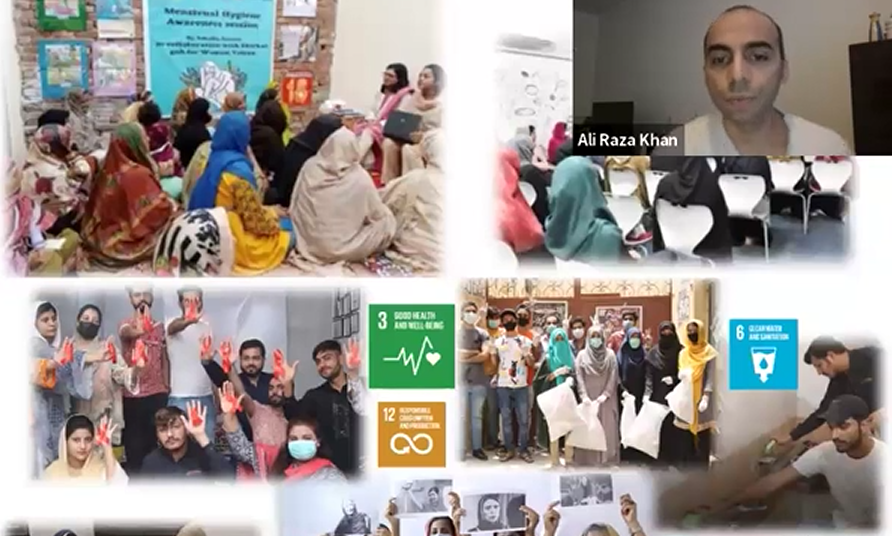
    At HIV Voices, we define ourselves as a youth-led initiative working for young people living with HIV and adolescents from key populations. Our approach leverages digital and innovative methods to reach individuals who are often difficult to engage due to their circumstances and locations in Pakistan. Our group comprises a diverse array of young people dedicated to spreading awareness about HIV, prevention methods, and addressing the unique challenges we face, including security concerns and the impact of climate change.

    Engagement and Empowerment

    One of our core activities involves ensuring that adolescent and young key population (ykp) voices are heard. This includes:

    • Mobilizing our members
    • Conducting capacity-building training sessions
    • Utilizing various platforms and methods available on the ground
    • Making our voices heard at national and global levels through letter and story campaigns, particularly on digital and social media platforms.

    Fostering Reproductive Health and Rights

    We place significant emphasis on the reproductive health and rights of adolescents and young girls. Our efforts are not just about HIV prevention but also about creating a safe space where key populations can voice their concerns and work together to tackle issues that affect their well-being.

    Connectedness as a Core Theme

    The theme of connectedness is at the heart of our work, especially in a conservative country like Pakistan, where key populations are criminalized, and safe spaces are scarce. We often face pressure from various security-related entities and other stakeholders, which can hinder our efforts. However, understanding and navigating these conditions is our strength. As young people and peer mentors, we know how to deal with the issues we encounter on the ground, ensuring that young people from key populations and other stakeholders remain connected and that our voices are heard.

    Addressing Interconnected Issues

    When working with vulnerable key populations, we sometimes overlook interconnected issues. Our programs and activities aim to bridge this gap by raising awareness and fostering collaboration among different groups. For example, we’ve facilitated exercises that help participants understand how issues affecting one key population are linked to those of another, promoting a more unified approach to addressing these challenges.

    A Message of Empowerment

    Allow me to share a powerful message from Aslam, a young man living with HIV and a member of our group, Young Positive People of Pakistan:


    “Hello everyone, my name is Aslam, and I’m a young man living with HIV. When I was diagnosed through a community-based organization working for key populations, I felt the need for additional support and a desire to contribute to my community. Connecting with Young Positive People of Pakistan not only helped me feel supported but also empowered me in navigating HIV-related systems. Since becoming a member, I have expanded my knowledge about the global fund process in Pakistan, learned about the contributions of various stakeholders, and represented young PLHIV (people living with HIV) on national and international platforms. This involvement has enabled me to address our community’s issues effectively and advocate for our rights.”

    The work we do on the ground, driven by the theme of connectedness, is vital. It’s crucial for global organizations and partnerships to continue supporting these efforts at a global level. The empowerment and collaboration of young key populations are essential to creating an inclusive and effective response to HIV. Thank you to the Global Partnership for Adolescents and Young Key Populations for providing this platform and for recognizing the importance of our collective efforts.

    Together, we can make a difference.

    Read more about the session

    On ayKP website hosted by UNICEF here

    https://www.childrenandaids.org/aykp-partnership-webinar-series

    Watch the session on UNICEF YouTube channel here

  • Speaker Ali Raza Khan: From Ruin to Resilience: Harnessing Community Strength in the Face of Natural Disasters

    Speaker Ali Raza Khan: From Ruin to Resilience: Harnessing Community Strength in the Face of Natural Disasters

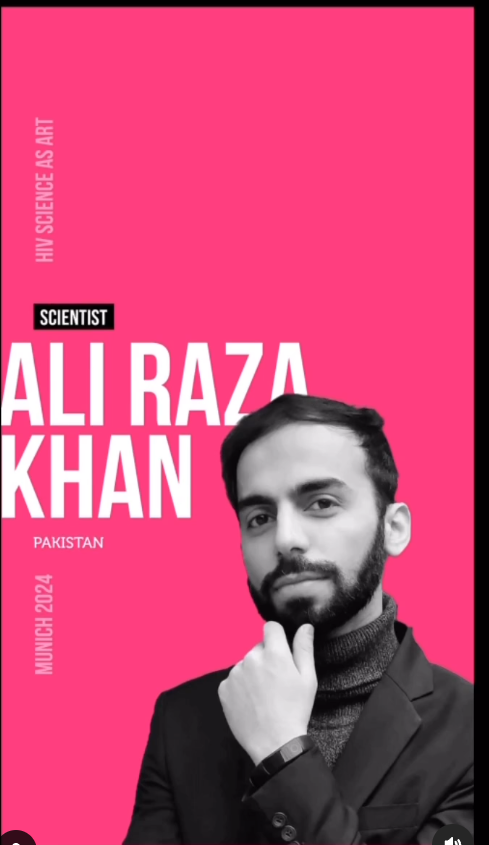
    Munich, Germany – The AIDS 2024 conference will feature a pivotal session titled “From Ruin to Resilience: Harnessing Community Strength in the Face of Natural Disasters,” highlighting the critical intersection of climate change and public health. This scientific symposium, accredited for Continuing Medical Education (CME), will take place on July 25, 2024, from 15:00 to 16:00 local time in Room 13a for in-person participation and on Channel 6 for virtual attendees.

    Spotlight on Ali Raza Khan

    One of the key speakers for this session is Ali Raza Khan, an HIV-positive gay activist from Multan, Pakistan. Khan is the founder of PridePakistan.org and co-lead of TheYouthPACT.org. His work focuses on advocating for the rights and health of marginalized communities, particularly those affected by HIV and climate change.

    Session Overview

    Moderated by Mary Ann Torres from ICASO, the session will delve into the dire impacts of emergencies caused by pandemics, war, the climate crisis, and other catastrophic events on vulnerable and marginalized communities. The discussion will cover a range of critical issues, including:

    • Continuity of Care: Ensuring ongoing care for children and young people born with HIV.
    • Access Disruptions: Addressing interruptions in HIV prevention, testing, and treatment services.
    • Challenges for Migrants and Refugees: Highlighting the specific difficulties faced by these groups.
    • Increased Vulnerability to Co-Infections: Focusing on diseases such as diarrhoea, lung infections, and TB.
    • Impact of Food and Water Shortages: Examining how these shortages increase vulnerability to illness.
    • Inequalities in Social Protection: Discussing disparities in access to social safety nets.
    • Risk of Violence and Exploitation: Addressing the heightened risk of violence and exploitation in crisis situations.
    • Gender Inequality and Gender-Based Violence: Exploring the exacerbation of these issues during emergencies.
    • Forced HIV Testing of Migrants: Highlighting the ethical and health implications.
    • Funding Challenges: Discussing the impact of dwindling resources in the face of multiple crises.
    • Link to program details on International Aids Society: https://programme.aids2024.org/Programme/Session/15

    Ali Raza Khan’s Contribution

    Ali Raza Khan will share insights from his extensive work in Pakistan, where he has witnessed firsthand the devastating effects of climate change on communities living with HIV. His presentation will focus on the resilience and strength of these communities in the face of natural disasters. Khan will highlight the innovative strategies employed by community organizations to mitigate the impacts of climate change, such as plantation projects and collaborations with stakeholders to ensure inclusive efforts for those living with HIV.

    Other Speakers

    The session will also feature contributions from:

    • Juddy Otti from the Africa Advocacy Foundation, United Kingdom
    • Sophia Charles from Caris Foundation International, United States

    These speakers will provide a global perspective on the challenges and solutions related to the health of vulnerable communities during emergencies.


    Ali Raza Khan’s participation in this session underscores the importance of community-led initiatives and the need for global solidarity in addressing the multifaceted challenges posed by natural disasters and other crises. His work with Pride Pakistan and The Youth PACT exemplifies the power of resilience and the critical role of advocacy in safeguarding the health and rights of marginalized populations.

    Link to program details on International Aids Society: https://programme.aids2024.org/Programme/Session/15

  • My Journey as a Member of the UNAIDS Global Advisory Group

    My Journey as a Member of the UNAIDS Global Advisory Group

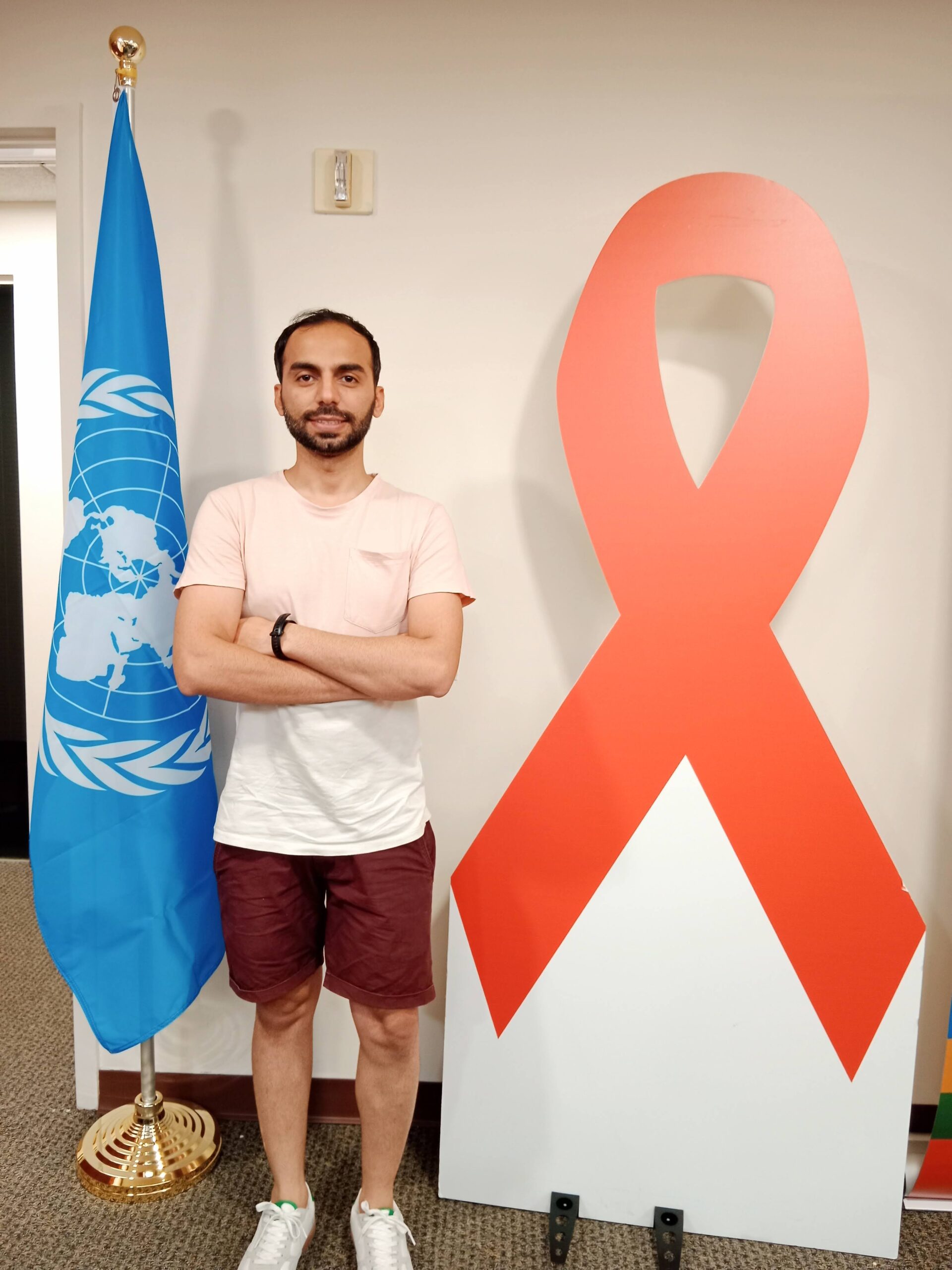
    Hey there! 🌟 I wanted to share some exciting and important news with you all. In May 2023, I was invited to join the UNAIDS Global Advisory Group on Monitoring the 30-80-60 Targets. Since then, I’ve had the privilege of serving as a member of this incredible team. As an HIV-positive gay activist from Pakistan, I know firsthand the challenges and stigma that come with living with HIV. This opportunity has been a powerful way for me to advocate for our community on a global stage.

    Why My Representation Matters:

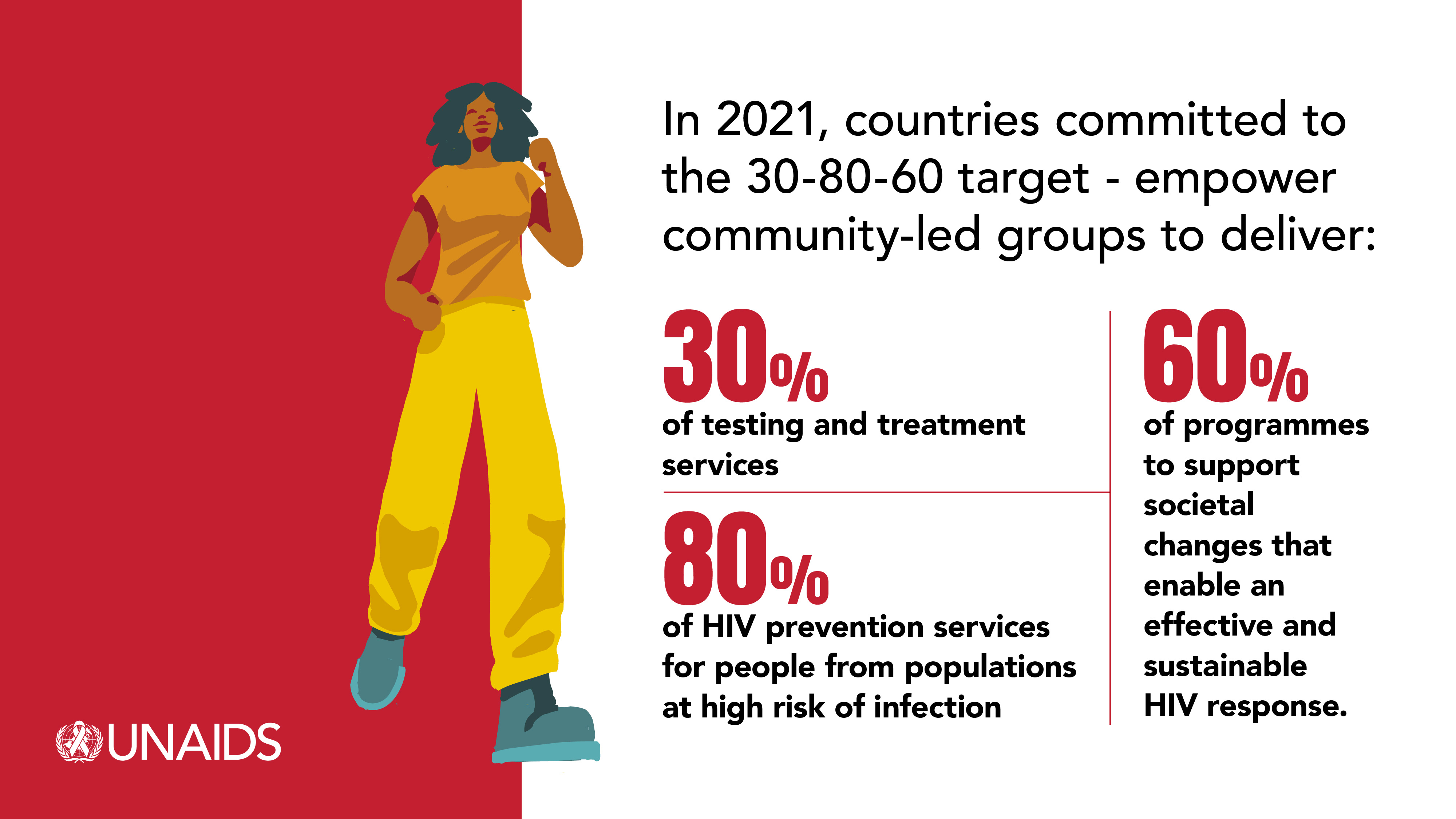
    The 30-80-60 Targets are part of the 2021 Political Declaration on HIV and AIDS. These targets aim to prevent millions of new HIV infections and AIDS-related deaths by 2030. They specifically call for community-led organizations to deliver:

    1. 30% of testing and treatment services.

    2. 80% of HIV prevention services for high-risk populations.

    3. 60% of programs to support societal enablers, reducing stigma, punitive laws, and gender-based violence.

    Community-led organizations, like the ones I work with, play a critical role in achieving these targets. Our unique experiences, perspectives, and voices are essential in shaping effective strategies. We’re self-determined and autonomous, free from external influences, which allows us to truly represent and be accountable to our communities.

    My Role and Contributions:

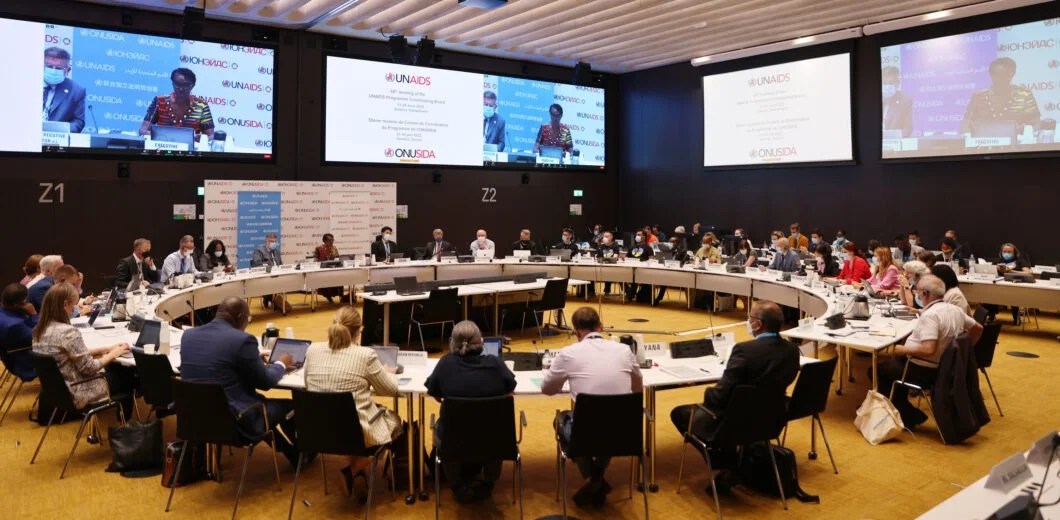
    During our first meeting on May 10th, 2023, we discussed the development of a robust monitoring framework for these targets. We explored existing data collection and reporting mechanisms and identified opportunities to strengthen them. This is crucial because there’s currently no standardized system to track progress towards these targets.

    Serving on this advisory group has been a humbling and empowering experience. It’s a reminder that our voices matter and that we can drive meaningful change. By representing young HIV-positive gay individuals and sex workers from Pakistan and the EMRO region, I’m committed to ensuring our needs and challenges are addressed.

    As we move forward, our collaborative efforts will be instrumental in shaping a monitoring framework that drives positive change in the global fight against HIV. Together, we can make a difference and create a world where everyone has access to the care, support, and dignity they deserve.

    Thanks for reading, and stay tuned for more updates! 🌍❤️

    Read more about 2025 targets and 30-80-60 targets on UNAIDS site Here: https://crossroads.unaids.org/wp-content/uploads/2024/07/GAU-2024-Annex-1-En.pdf

  • First Meeting of the UNAIDS Global Advisory Group on Monitoring the 30-80-60 Targets: A Robust Start

    First Meeting of the UNAIDS Global Advisory Group on Monitoring the 30-80-60 Targets: A Robust Start

    On May 10th, 2023, the UNAIDS Global Advisory Group on Monitoring the 30-80-60 Targets convened for their first meeting. This group, composed of global stakeholders dedicated to advancing the fight against HIV, gathered to discuss the development of a monitoring framework for the ambitious 30-80-60 targets set in the 2021 Political Declaration on HIV and AIDS. The meeting brought together diverse voices, including Ali Raza Khan, an HIV-positive gay activist from Pakistan, who represents young HIV-positive gay individuals and sex workers from the EMRO region. The meeting began with opening remarks from key UNAIDS representatives, highlighting the importance of the 30-80-60 targets. The targets aim to prevent 3.6 million new HIV infections and 1.7 million AIDS-related deaths by 2030 through community-led efforts.

    Overview of the 30-80-60 Targets:

    1. 30 per cent of testing and treatment services, focusing on HIV testing, linkage to treatment, adherence, retention support, and treatment literacy.

    2. 80 per cent of HIV prevention services for populations at high risk of infection, including women within those populations.

    3. 60 per cent of programs supporting societal enablers to reduce stigma, discrimination, punitive laws, and gender-based violence.

    The advisory group discussed the need for a robust monitoring framework to track progress towards the 30-80-60 targets. Existing data collection and reporting mechanisms used by community-led organizations were explored. Ideas to strengthen and build on these mechanisms to inform national and global monitoring were shared. The group expressed the need for more discussion and engagement to ensure everyone is on the same page. Participants were encouraged to provide feedback and suggest amendments to the proposed process for developing the monitoring framework. The importance of agreeing on principles and critical success factors to ensure the framework’s effectiveness was highlighted.

    Conclusion: The first meeting of the UNAIDS Global Advisory Group on Monitoring the 30-80-60 Targets set a strong foundation for future efforts. The diverse perspectives and insights shared by members, including Ali Raza Khan, emphasized the importance of inclusive and community-led approaches to achieve the ambitious 2025 targets. As the group moves forward, their collaborative efforts will be instrumental in shaping a monitoring framework that drives meaningful change in the global fight against HIV. 🌍❤️

    Read more about 2025 targets and 30-80-60 targets on UNAIDS site Here: https://crossroads.unaids.org/wp-content/uploads/2024/07/GAU-2024-Annex-1-En.pdf

  • Ali Raza Khan Joins UNAIDS Global Advisory Group on Monitoring the 30-80-60 Targets

    Ali Raza Khan Joins UNAIDS Global Advisory Group on Monitoring the 30-80-60 Targets

    Ali Raza Khan, an HIV-positive gay activist from Pakistan, has been invited to join the UNAIDS Global Advisory Group on Monitoring the 30-80-60 Targets. This esteemed group comprises global stakeholders dedicated to advancing the fight against HIV. Ali’s involvement marks a significant step towards ensuring the voices of young HIV-positive gay individuals and sex workers from Pakistan and the EMRO region are heard and represented in global HIV initiatives.

    Background on the 30-80-60 Targets:

    The 2021 Political Declaration on HIV and AIDS, adopted by United Nations Member States, set forth ambitious targets to be achieved by 2025. The goals are to prevent 3.6 million new HIV infections and 1.7 million AIDS-related deaths by 2030. Three specific targets emphasize the role of community-led organizations in delivering HIV-related services:

    1. 30 per cent of testing and treatment services, focusing on HIV testing, linkage to treatment, adherence, retention support, and treatment literacy.

    2. 80 per cent of HIV prevention services for populations at high risk of infection, including women within those populations.

    3. 60 per cent of programs supporting societal enablers to reduce stigma, discrimination, punitive laws, and gender-based violence.

    Community-led organizations are pivotal in the HIV response, reflecting the experiences, perspectives, and voices of their constituencies. These organizations operate independently of government, commercial, or donor influences, ensuring they are truly representative and accountable to their communities.

    Ali Raza Khan brings a wealth of experience and passion to the advisory group.

    As the founder of Pride Pakistan and an advocate for HIV-positive gay individuals and sex workers, Ali’s insights are invaluable. His participation underscores the importance of including marginalized voices in global health strategies. The advisory group aims to develop a robust monitoring framework for the 30-80-60 targets. This involves exploring existing data collection and reporting mechanisms used by community-led organizations and identifying opportunities to strengthen them. Ali’s involvement will ensure that the unique challenges and needs of key populations are considered in the framework. Ali’s membership in the advisory group highlights the recognition of the crucial role that young HIV-positive gay activists play in the global HIV response. His advocacy efforts will contribute to the development of effective strategies to achieve the 30-80-60 targets and improve the lives of those affected by HIV. Ali Raza Khan’s inclusion in the UNAIDS Global Advisory Group on Monitoring the 30-80-60 Targets is a testament to his dedication and leadership in the fight against HIV. His unique perspective and experience will be instrumental in shaping the future of HIV prevention, treatment, and support services. 🌍❤️

    Read more about 2025 targets and 30-80-60 targets on UNAIDS site Here: https://crossroads.unaids.org/wp-content/uploads/2024/07/GAU-2024-Annex-1-En.pdf

  • Communities Delegation to the Global Fund Board appoints Mr Ali Raza Khan as Alternate Board Member

    Communities Delegation to the Global Fund Board appoints Mr Ali Raza Khan as Alternate Board Member

    Tuesday, 25th January 2022
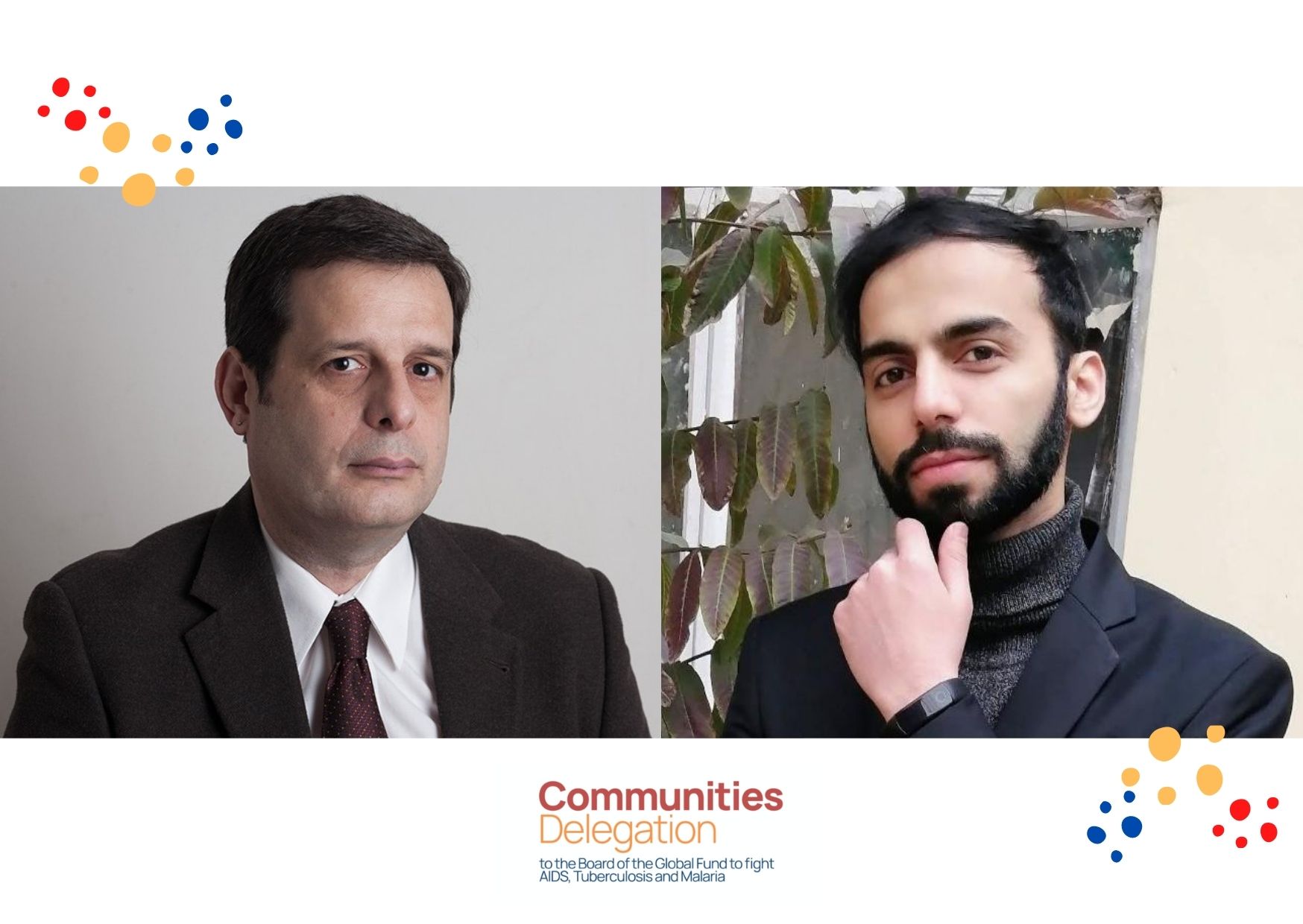
    The Communities Delegation of people living with and affected by HIV, TB and malaria (Communities Delegation) to the Global Fund Board has the pleasure to announce the appointment of Mr Javier Hourcade as the Board Member and Mr Ali Raza Khan as the Alternate Board Member. The constituency confirmed and welcomed the new leadership during its online retreat in December 2021. Javier and Ali will serve a two-year term until January 2024.
    Mr Ali Raza Khan is a young PLHIV activist from Multan, Pakistan, working for his community since 2015, focused on HIV prevention, SRHR and peace. Over the past few years, he has worked with numerous local, national & international organisations for the rights of young PLHIVs and KPs. He is currently leading an initiative in Pakistan focusing on young vulnerable key populations and PLHIVs. Ali is a laureate of the HIV HERO Award 2021 by APCOM for his effort and work around HIV and PLHIVs. A new member from the Communities Delegation, at only 29 years old, Ali is the delegation’s first youth member to serve in the leadership and has consistently shown a keen interest to learn and an immense commitment to amplifying the voices of communities at the Global Fund Board.
    We want to take the opportunity to express our deepest gratitude and admiration for our outgoing Board Member Erika Castellanos. Erika joined the Communities Delegation in 2015 and has since demonstrated an aptitude and appetite to transform and strengthen the representation of communities at the Board level. Natural from Belize, in Central America, Erika served as Alternate Board Member from 2018 to 2020. In December 2020, she became the first transgender woman to ever serve as a Board Member of the Global Fund. Erika’s integrity and unapologetic and skilful leadership have led the delegation through decisive moments. More recently, it has guaranteed that our constituency had a prominent role in shaping the next Strategy.

    We thank Erika immensely for the legacy she leaves as a role model of governance official, and we are delighted to retain her as a member of the delegation’s Advisory Working Group (AWG). Erika continued the outstanding leadership from Ms Maurine Murenga, former Communities Delegation Board Member, from 2018 to 2020, and current member of the AWG as well, whom we want to acknowledge for her equally solid and continued commitment to the Communities Delegation.

    We also thank Olivia Ngou, our outgoing Alternate Board Member, for her efforts and time dedicated to the delegation. A long-time malaria champion, Olivia added the voices of malaria activists to our discussions, ensuring that their priorities were also well captured in our positions. Born in Cameroon, she focused on connecting the delegation with francophone communities and strengthening our relationship with francophone partners. As a member of the AWG and co-lead of our Strategy Committee working group, we also thank her for her diligence and support with internal affairs and many valuable contributions throughout the new Strategy development process.

    The Communities Delegation is looking ahead to a pivotal year in the Global Fund’s new Strategy development process and we look forward to engaging with you in 2022.

    About the Communities Delegation:

    The Communities Delegation of people living with and affected by HIV, TB and malaria (Communities Delegation) is one of three civil society constituencies on the Global Fund Board. It has a unique role in leveraging the lived experiences of HIV, TB and Malaria and bringing a human face to the realities of the three diseases. The Communities Delegation is committed to ensuring human rights and gender equality in programmes, with particular attention to key and vulnerable, marginalised, criminalised and stigmatised populations. The delegation engages with its communities and influences decisions with the ultimate aim of ensuring the best equitable and sustainable access to prevention, treatment, care and support services for the three diseases.

    Read the article on global network of people living with HIV GNP Plus website : https://gnpplus.net/latest/news/communities-delegation-to-the-global-fund-board-appoints-new-board-member-and-alternate-board-member/

    Read more on Communities Delegation website:

    https://communitiesdelegation.org/about

  • World AIDS Day 2021 an interview with Ali Raza Khan :  HIV HERO Award Laureate 2021

    World AIDS Day 2021 an interview with Ali Raza Khan : HIV HERO Award Laureate 2021

    HIV HERO

    Supported by APCOM Community Partner – APN+


    Ali Raza Khan

    Pakistan

    My name is Ali Raza Khan and I’m a 28-year-old PLHIV activist working for my community. I live in Multan, a small but culturally rich town of Pakistan also known as the City of Saints. I come from a poor family living in the red-light area of the town that led me to adopt risky behaviors without protection. I grew up facing stigma and discrimination because of my identity, status and being from a minority group. Because of my status and identity, I faced bad times when trying to access health services or for exercising my rights. Facing and dealing with these bad times encouraged me to work for my community that is still suffering around Pakistan. I always look for opportunities to learn, catch positive skills and knowledge from other expert people, or try to learn new things on my own. I’m doing all this to empower other PLHIVs so that that they can also raise voices for their health and rights collectively.

    Please briefly let us know about your work

    I started working for HIV awareness and prevention in 2015 from my university days as volunteer of HYPE national youth group of Rutgers in Pakistan. I continued my volunteer work for the community along with different organizations including FDI, Aahung, ACT, ISYD, YAN, KSS and APLHIV. I started my full-time job for PLHIV withTrans Welfare Organization, a CBO working for HIV among the TG community. TWOCBO provided me the opportunity to speak about the PLHIV community. Later, I joined Wasaib Sanwaro, a CBO working for MSM and amplified my efforts by representing PLHIVs at international platforms. I started my own initiative “Hi Voices” due to the lack of any dedicated platform for the empowerment of YPLHIVs and because many PLHIVs lack the required skills and knowledge to raise their voices. Currently, at national level, I’m organizing capacity building training for YPLHIVs under the Young Positive People of Pakistan Program. Apart from these efforts I’m empowering PLHIVs at the regional and global level with The PACT and YPEER. I’m also trying to influence stakeholders and policy making via Youth LEAD and as a member of Communities Delegation to the board of The Global Fund.

    What one achievement you’ve accomplished that you’re most proud of

    I’m proud of training other PLHIVs who wanted to raise their voices. One of our alumni participated in our capacity building training and was volunteering in our campaigns all the time. He contacted me and said he learned a lot from my organization and is going to start a platform related to PLHIVs issues. It was the moment when I felt that I may be succeeding in my mission to empower other PLHIVs. I am proud of him and his work because I dedicated my time to PLHIVs with the only one objective of empowering them.

    What do you find most challenging about your work

    Working for PLHIVs in a conservative humanitarian setting of Pakistan was most challenging. It is still challenging because a PLHIV activist must face multiple obstructions every day. One does not only struggle with the issues that he or she is working for, but also struggles with society, norms, policies and opposition that stops others from accessing and practicing their basic health and rights. These things make my efforts and work more challenging in a conservative humanitarian setting of Pakistan.

    What do you do to recharge your battery

    I connect with people from the PLHIV community and spend time with them. I share and talk with people who are working for a similar cause. I get re-energized when I work for the PLHIV community in a way that saves their life. I listen to the stories of people how they were able to bring some positive change in the lives of PLHIVs. I try to make them happy and smile. A smile and happiness on their faces brings smile on my face too.

    What is your vulnerability and how do you overcome it

    I sometimes indulge into things related to the PLHIV community and I forget to make sufficient time available for myself and my family. I try to overcome this be ensuring specific days and specific times dedicated to my family and community work. Also scheduling my work helps me overcome this issue.

    What was your reaction to being named one of the honourees for the HIV Hero category

    I felt happy to be nominated for the HIV HERO award. I see this as an appreciation and encouragement to continue my work for the community, irrespective of how harsh the conditions on the ground are. I felt excited about this award because there are very few people and platforms to support and appreciate the work of PLHIVs as HERO Award is doing.

    Despite the fact that the COVID-19 is still with us, what is a message that you would like to share with the communities in the Asia Pacific

    We learned a lot from the COVID-19 crisis, including supporting each other and the marginalized communities. Together we learned how to fight these pandemics and find the cure and access to treatment for all, irrespective of power gaps.  My message to all the communities in Asia and the Pacific is to work collectively to end discrimination associated with people affected by diseases. 

    Read more on Asia Pacific Coalition of Men Having Sex with Men APCOM

    Facebook Page Here

    https://www.facebook.com/apcom.org/posts/an-interview-with-ali-raza-khan-the-heroawards2021-hiv-hero-honourees-from-pakis/6468091943265287

    Website Here

  • Eamonn Murphy’s Testimony for Ali Raza Khan

    Eamonn Murphy’s Testimony for Ali Raza Khan

    In a heartfelt testimony during a UN high-level meeting debrief for young people living with HIV and young key populations, Eamonn Murphy, UNAIDS Director for Regional Support Teams for Asia Pacific and Eastern Europe and Central Asia regions, extended his appreciation for Ali Raza Khan’s remarkable activism.

    Ali Raza Khan, a HIV positive gay activist, has dedicated his life to advocating for the rights of men having sex with men, gay people, sex workers, and other HIV key populations in Pakistan and globally. His tireless efforts have not gone unnoticed, earning him the respect and admiration of leaders and organizations worldwide.

    “People like Ali Raza Khan who made statements in this global momentum that started at country and built up by putting his statements and voices out there so it’s really important,” Murphy remarked. These words encapsulate the essence of Khan’s contribution to the global fight against HIV and the broader struggle for human rights.

    Ali Raza Khan’s activism is not just about raising awareness; it’s about creating a platform for the voiceless and ensuring that the challenges faced by HIV key populations are brought to the forefront of global discussions. His work highlights the intersection of health, human rights, and social justice, making him a pivotal figure in the movement.

    Through his own initiatives and support of Youth LEAD Asia Pacific YKP network, YPlus Global, and collaborations with the UNAIDS office, Khan continues to push for systemic change and equitable treatment for marginalized communities. His unwavering commitment and impactful actions inspire many to join the fight for a world where every individual, regardless of their HIV status or social identity, can live with dignity and respect.

    Regional Director UNAIDS Appreciating Ali Raza Khan efforts of raising Voices for people living with HIV and young key populations including men having sex with men and gays

    This testimony by Eamonn Murphy stands as a testament to Ali Raza Khan’s extraordinary work and the vital role he plays in the ongoing struggle for HIV awareness and rights advocacy. His journey is a powerful reminder of the difference one person can make in the face of adversity, and his voice remains a beacon of hope and resilience for many.

    Watch the whole sesssion online Youth Lead Asia Pacific YKP facebook page or UNAIDS youtube channel below

  • THE DAY I WAS DIGNOSED HIV AND STARTED MY ARV TREATMENT

    THE DAY I WAS DIGNOSED HIV AND STARTED MY ARV TREATMENT

    19th April 2019: THE DAY I WAS DIGNOSED HIV AND STARTED MY ARV TREATMENT

    Hi, I’m Raza, a young non-binary from Pakistan. I have completed my post-graduation and planning for a PhD from a PLHIV friendly country because I am from the YPLHIV community and I’m not shy to tell that however It wasn’t always like that.

    There were bad times when I was not well mentally and physically. I remember that it was a kind of normal thing for my family to take me to emergency because of high fever even after getting medications. Sometimes it disappears for a few days and sometimes for months. It was not just the fever there were also other complications like bloody diarrhea. I was afraid of eating or going to the toilet as medications were not helping for long.

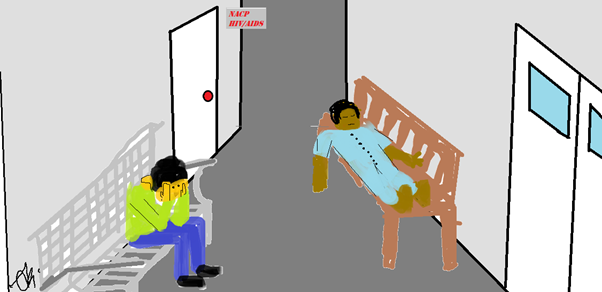
    I remember the day I was diagnosed with HIV in April 2019. I wasn’t afraid of it at first until I witnessed a 15-year-old young boy dying of AIDS in the HIV/AIDS department of the hospital during my first visit to get ARVS. His body was dark, dried and lean on a bench 3 feet to where I was sitting. I did not want my life to end up like that nor the lives of other young people. The death of this boy can be prevented if diagnosed and treated on time with support of the community. I spent months thinking from where I might have contracted HIV but never got the answer. Thinking about that was a burden on mental health as there were multiple instances where I might have contracted it so I left thinking about it.

    I came to know after 4 months that my ARV formula wasn’t working because of high viral load in my reports. These were the days when I told about my status to my close ones. Unlike my expectations they were supportive. Here in my city it takes almost a month to get viral load results as the ART center sends blood samples to the capital city and reports come back after 15 to 30 days. I don’t like these delays not only for my own but also for other YPLHIV for whom this time can be critical. I still have marks of blisters I got on my body due to high viral load and reaction of my 2nd ARV formula which I have to leave after a week. This was the time I needed support from my family and friends and so I got unlike other YPLHIV people who ask for support on online support groups. Becoming part of online PLHIV community groups gave me deep insight of how difficult it is for PLHIV especially young people to get support. I tried my best to support other YPLHIV by talking to them using online platforms.

    Most people believe that people living with HIV just have to take one tablet a day but that’s not true as I have to take six tablets a day 3 in morning and 3 In evening. This is the 3rd ARV formula. I have been taking this for more than 9 months. It seems to be working as I have gained my lost weight and there are no more complications. However, I’m not sure because the viral load test report can prove that but in this COVID-19 situation ART center delayed my viral load test which they were supposed to take after six months. Now after situation came back to normal I was able to receive viral load test and got my report with undetectable viral load. I’m happy and so want others YPLHIV members to stay happy by achieving undetectable.

    I had worked part time as a SRHR young advocate before knowing my status but devoted my full time and changed my field of work after knowing my status. As my previous workplace didn’t have a friendly environment for people with special needs. Now I’m working for HIV/AIDS prevention in my town. I’m working in a community-based organization openly as PLHIV to contribute my part to stop new HIV cases among young people. I openly talk about HIV and AIDS and how we can end discrimination and stigma associated with PLHIV on which many SRHR activists also feel shied to talk. I believe my open discussion can help directly or indirectly to prevent a new HIV case. As the 1st day on my ARV I made my mind to work to prevent any other young people from dying of this preventable disease I started to make my work more sustainable by using online digital and social media for advocacy of HIV/AIDS among young people. I’m writing blogs and starting conversations among young groups as it may prevent a death in future as close as 3 feet to me.

    The original article was posted on Live Now Togteher campaign page

    Read the blog on LiveNowTogther.com here

  • I AM NOT MORE SHY TO TELL AND SPEAK ABOUT MY HIV STATUS AND JOURNEY

    I AM NOT MORE SHY TO TELL AND SPEAK ABOUT MY HIV STATUS AND JOURNEY

    Hi, I’m Ali Raza Khan 27 years old young boy from Pakistan. I am from PLHIV community and I’m not shied to tell that however It wasn’t always like that.

    There were bad times when I was not well mentally and physically. I remember that it was a kind of normal thing for my family to take me to emergency because of high fever even after getting medications. Sometimes it disappears for few days and sometimes for months. It was not just the fever there were also other complications like bloody diarrhea. I was afraid of eating or going to toilet as medications were not helping for long.

    I remember the day I was diagnosed HIV. I wasn’t afraid of it at start until I witnessed a 15-year-old young boy dying of AIDS in HIV/AIDS department of the hospital during my first visit to get ARVS. His body was dark, dried and lean on a bench 3 feet to where I was sitting. I did not want my life to end up like that nor the lives of other young people. The death of this boy can be prevented if diagnosed and treated on time with support of community.

    I came to know after 4 months that my ARV formula wasn’t working because of high viral load in my reports. These were the days when I told about my status to my close ones. Unlike my expectations they were supportive. Here in my city it takes almost a month to get viral load results as ART center send blood sample to capital city and reports comes back after 15 to 30 days. I don’t like these delays not only for my own but also for other PLHIV for whom this time can be critical. I still have marks of blisters I got on my body due to high viral load and reaction of my 2nd ARV formula which I have to leave after a week. This was the time I needed support from my family and friends and so I got unlike other PLHIV people which beg for support on online support group. Becoming part of online PLHIV community groups gave me deep insight of how difficult it is for PLHIV especially young people to get support. I tried my best to support other PLHIV by talking to them using online platforms.

    Most people believe that people living with HIV just have to take one tablet a day but that’s not true as I have to take six tablets a day 3 in morning and 3 In evening. This is 3rd ARV formula. I have been taking this for almost 9 months. It seems to be working as I have gained my lost weight and there are no more complications. However, I’m not sure because viral load test report can prove that but in this COVID-19 situation ART center delayed my viral load test which they were supposed to take after six months.

    I had worked part time as SRHR young advocate before knowing my status but devoted my full time and changed my field of work after knowing my status. As my previous workplace didn’t had friendly environment for people with special needs. Now I’m working for HIV/AIDS prevention in my town of Multan. I’m working in a community-based organization openly as PLHIV to contribute my part to stop new HIV cases among young people. I openly talk about HIV and AIDS and how we can end discrimination and stigma associated with PLHIV on which many SRHR activists also feel shied to talk. I believe my open discussion can help directly or indirectly to prevent a new HIV case. As the 1st day on my ARV I made my mind to work to prevent any other young people die of this preventable disease I started to make my work more sustainable by using online digital and social media for advocacy of HIV/AIDS among young people. I’m writing blogs and starting conversations among young groups as it may can prevent a death in future as close as 3 feet to me.

  • Diary of my HIV AIDS Positive Friend

    Diary of my HIV AIDS Positive Friend

    I try to not think about when it happened from where it happened. Because whenever I think about that I am clueless and confused. Either it infected me a month ago, 3 months ago or 3 years ago. Either from some infected equipment or unprotected contact.

    What now I just think about is to keep my self healthy to fight this bug. I try not to deviate from my dreams, career and plans about future. As it will be more confused situation for me. I’m keeping my daily routine as it was before I came to know about HIV infection. I’m very much successful and hopping to to succeed in this fight between my future plans and this bug. I won’t say it’s a complete normal life as it was before as it affected my life for now to small extent.

    The above text is my story but had to cover it as friend because of the fear of stigma and discrimination in Pakistan back in 2019

    Read it on my Medium blog site Here